

Sourcing from China remains the backbone of the global vaping industry, but the landscape has shifted dramatically. Selecting a Chinese vape manufacturer is no longer just about finding the lowest price per unit; it is a complex risk management exercise involving regulatory compliance, intellectual property protection, and supply chain resilience. With market competition at an all-time high, partnering with the wrong factory can lead to seized shipments, legal liabilities, or brand-damaging quality failures. This guide breaks down the critical factors for vetting partners in Shenzhen and beyond.
Key Takeaways
- Compliance is King: Verify ISO 9001, GMP, and FDA/TPD compliance before negotiating price to avoid customs seizures.
- Scale Matters: Assess production capacity and scalability to ensure the factory can grow with your brand without quality fade.
- IP Protection: Always secure a Non-Disclosure Agreement (NDA) to protect proprietary designs from “copycat” production.
- Hidden Costs: Factor in logistics, duties, and potential defect rates when calculating the true landed cost of goods.
- R&D Capability: Choose partners with in-house R&D to access the latest coil technologies and battery innovations.
The Compliance Filter: Regulatory Standards
Examining the global regulatory landscape reveals that compliance is the single biggest hurdle for importers today. A manufacturer might offer an attractive price, but if they lack the necessary certifications, your product may never leave the port. You must verify that the factory adheres to international standards.
Essential Certifications Checklist:
- ISO 9001: Ensures a documented quality management system is in place.
- GMP (Good Manufacturing Practices): Critical for cleanroom standards, especially for e-liquid filling.
- CE & RoHS: Mandatory for entering the European market (safety and hazardous substances).
- FDA / PMTA Support: For the US market, the manufacturer must have the capability to support Premarket Tobacco Product Applications.
Do not rely on screenshots of certificates. Request the verification numbers and check them against the issuing body’s database.
Quality Assurance: Beyond the Prototype
A deep dive into manufacturing protocols shows that “Golden Samples” (perfect prototypes) often differ from mass production units. To ensure consistency, you must audit the factory’s Quality Control (QC) systems. Look for manufacturers that implement rigorous testing of raw materials (batteries, e-liquid ingredients) before production begins.
Durability & Safety Testing:
Ask specifically about their battery safety testing protocols. With lithium-ion batteries, safety is non-negotiable. Does the factory perform drop tests, overcharge protection tests, and thermal shock tests? A reputable partner will have a dedicated lab for these procedures.
Innovation and R&D Capabilities
Tracking the 2026 vape tech trends shows that consumer preferences shift rapidly—from mesh coils to ceramic heating elements, and now to sustainable/biodegradable materials. A manufacturer with a strong Research and Development (R&D) team is an asset. They don’t just assemble parts; they innovate.
Partnering with a factory that invests in innovation allows you to be first-to-market with new features, such as extended battery life, digital display screens, or child-lock mechanisms. Ask to see their product roadmap for the next 12 months to gauge their forward-thinking capabilities.
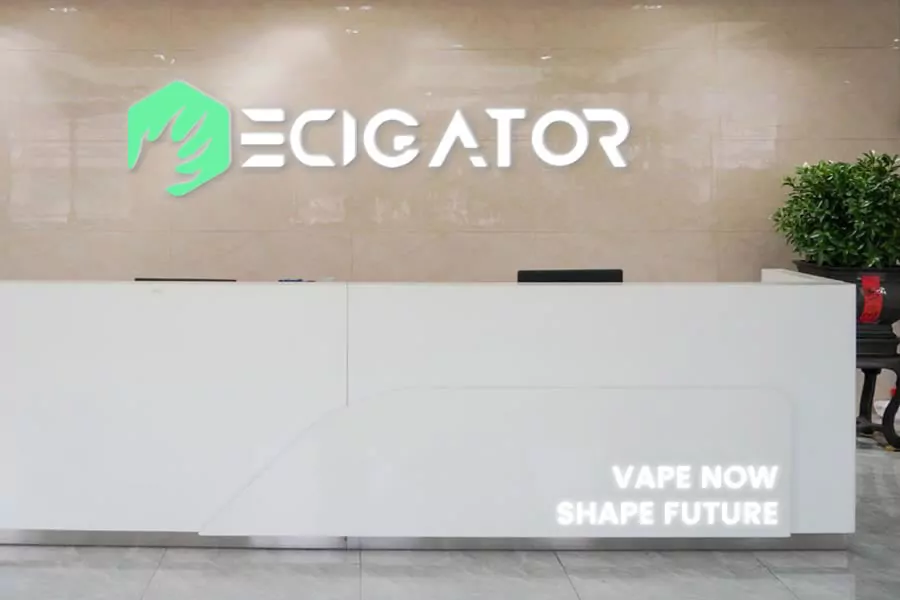
ECIGATOR
Ecigator is one of the well-known vape brands spun off from FM Technology Co., Ltd, it’s an ISO-certified disposable vape manufacturer for OEMs, ODMs, and OBM since 2010. The founder team comes from top firms with more than 10 years of experience in the vaping industry and has devoted thousands of hours to providing users with a better and better experience.
Comparison Matrix: Vetting Your Partner
When evaluating potential suppliers, use this matrix to grade them objectively.
| Criteria | Standard Supplier (High Risk) | Premium Manufacturer (Recommended) |
|---|---|---|
| Certifications | Basic CE/RoHS only | ISO 9001, GMP, FDA Registered |
| QC Process | Random sampling | 100% Battery testing, Raw material audits |
| R&D | Copies existing market designs | In-house engineering team & patents |
| Communication | Slow, language barriers | Dedicated account manager, transparent reporting |
Supply Chain & Logistics Reliability
In the vape industry, timing is everything. A two-week delay can mean missing a critical holiday sales window. Assess the manufacturer’s Production Capacity. Can they handle a sudden 200% increase in orders if your product goes viral? Importers must ensure the factory has scalable lines that don’t compromise quality under pressure.
Furthermore, evaluate their logistics network. Experienced manufacturers often have established relationships with freight forwarders who specialize in shipping dangerous goods (batteries/liquids), streamlining the customs clearance process and reducing the risk of shipping delays.
The Hidden Costs of “Cheap” Manufacturing
Competitive pricing is essential, but the lowest price often carries hidden costs. Be wary of quotes that are significantly below market average—this usually indicates the use of sub-par batteries or recycled materials. When negotiating, consider the Total Landed Cost, which includes:
- Defect Rate: A 5% defect rate is a massive hidden cost compared to a slightly more expensive factory with a 0.5% defect rate.
- Tariffs & Duties: Ensure the manufacturer classifies goods correctly (HS Codes) to avoid surprise penalties.
- Lead Time: Long lead times tie up your cash flow.
Always negotiate volume discounts, but never at the expense of component quality.
Protecting Your Intellectual Property (NDA)
For importers developing unique designs, Intellectual Property (IP) theft is a valid concern. Before sharing any CAD files or unique e-liquid formulations, sign a rigorous Non-Disclosure Agreement (NDA). This legal contract must be enforceable in China (NNN Agreement: Non-Use, Non-Disclosure, Non-Circumvention) to prevent the factory from selling your design to competitors or using it for their own house brand.
Customer Support & After-Sales Service
Finally, the relationship doesn’t end when the goods ship. Effective communication is vital. You need a partner who is responsive and transparent about issues. Test their After-Sales Service policy before placing a large order. How do they handle warranty claims? Will they replace defective units in the next shipment, or do they require you to ship them back (which is often cost-prohibitive)? A manufacturer confident in their quality will offer a straightforward replacement policy.
How do I verify a Chinese manufacturer’s ISO certificate?
Never accept a PDF at face value. Ask for the certificate number and the name of the accreditation body (e.g., SGS, TUV). Go to the accreditation body’s website and verify the number in their online database to ensure it is valid and current.

- Hong Kong E-Cigarette Possession Ban: Fines and Penalties - April 7, 2026
- Global Health Experts Demand Risk-Based Nicotine Regulation - March 16, 2026
- FDA Pivot: Potential Reintroduction of Adult-Oriented Vape Flavors Amid Regulatory Debate - March 12, 2026