
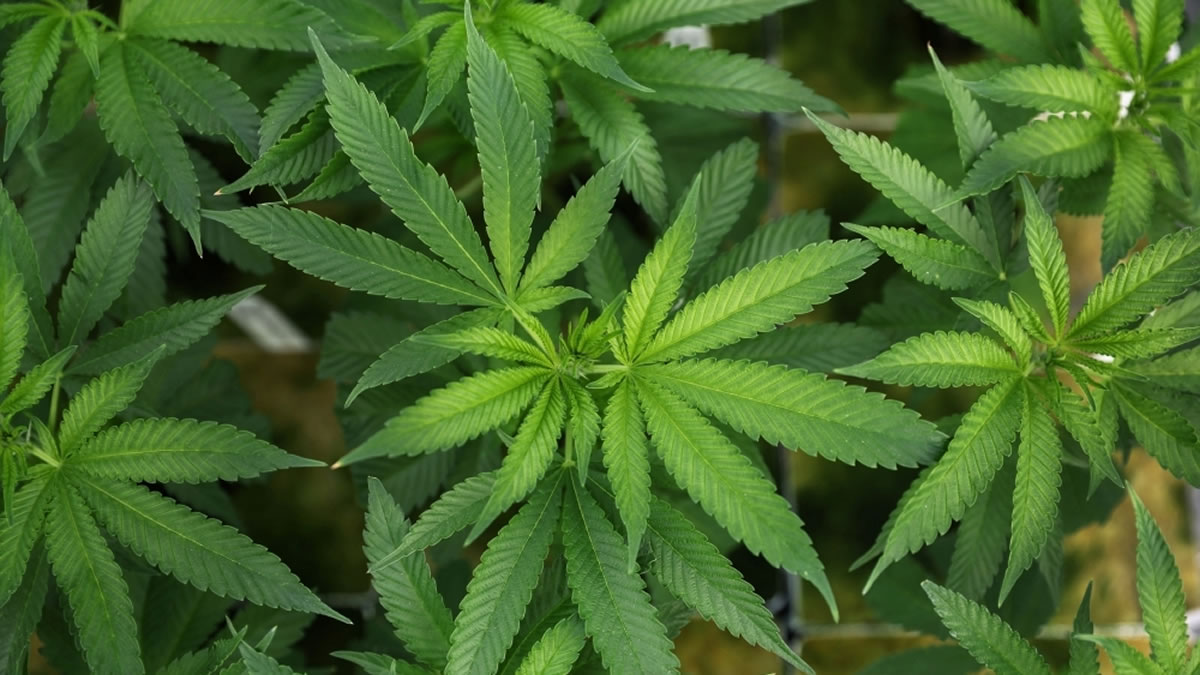
In a significant shift for US drug policy, President Donald Trump has signed an executive order to expedite the reclassification of marijuana from a Schedule I to a Schedule III substance under the Controlled Substances Act. This move aims to dismantle longstanding bureaucratic hurdles that have stifled scientific research into the drug’s potential medical benefits.
Currently, marijuana’s Schedule I status groups it with heroin, implying a high potential for abuse and no accepted medical value. The reclassification to Schedule III would place it alongside drugs like codeine, ketamine, and anabolic steroids. While this does not federally legalize recreational use, it significantly eases the path for researchers to secure funding for clinical trials and for pharmaceutical companies to seek FDA approval for new marijuana-derived drugs. It also seeks to improve access to therapeutic hemp products by establishing a clearer regulatory pathway.
Despite 40 states permitting medical marijuana and 24 allowing recreational use, cannabis remains federally illegal without FDA approval. Manufacture and distribution without authorization will still be unlawful, though penalties may be less severe under the new classification. The move is expected to accelerate the development of standardized cannabinoid drugs. Currently, only three such drugs—Epidiolex (CBD) and two forms of Dronabinol (synthetic THC)—have FDA approval. However, research is promising for treating conditions like chronic pain, multiple sclerosis spasticity, sleep apnea, and anxiety.
Experts caution that even medical marijuana carries risks, including potential interactions with other medications and side effects like dizziness or cognitive impact. The reclassification is a crucial step toward understanding these risks and benefits more fully through rigorous, federally sanctioned research.

- NY Seizes 28,500 Lbs of Illicit Vapes in Nassau & Hudson Valley - March 20, 2026
- CAPHRA Warns: Zombie Vapes Threaten Legal Nicotine Access - March 9, 2026
- UK Tobacco Ban 2026: The “Smokefree Generation” Law - March 4, 2026