
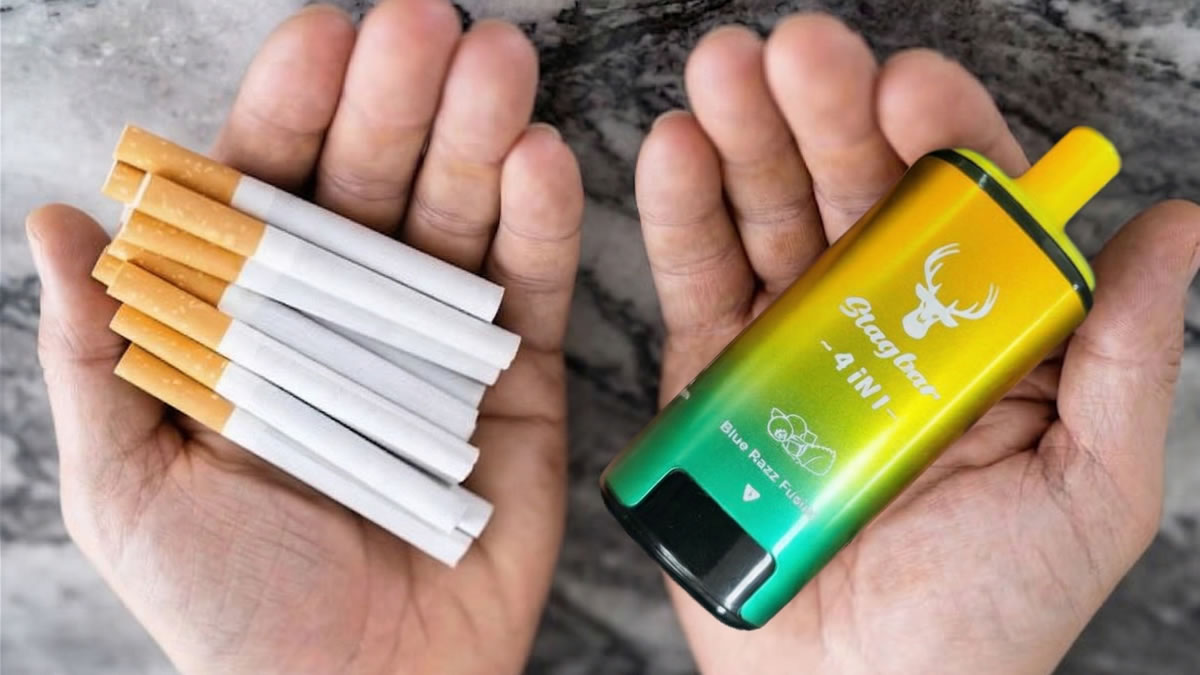
The Bangladesh government is preparing to lift its ban on the production and sale of e-cigarettes. Following recommendations from a parliamentary committee, the health ministry is drafting amendments to reverse strict anti-tobacco ordinances enacted last year, sparking intense pushback from public health advocates.
A massive regulatory shift is unfolding in South Asia. The Bangladesh government is actively moving to amend its anti-tobacco ordinance, effectively withdrawing the existing ban on e-cigarettes. This isn’t just about legalizing vaping, either. The impending amendment will also scrap rules that currently prohibit the open display of tobacco products at retail points of sale. For the local industry, this is a monumental reversal. For public health campaigners? It’s viewed as a major setback.
How the Sudden U-Turn Happened
To understand this shift, we have to look at the timeline. Last year, an interim government implemented strict provisions under the Smoking and Tobacco Products Usage (Control) Act. They banned the import of Electronic Nicotine Delivery Systems (ENDS) in January. This was followed by a sweeping ordinance in December that criminalized the production, sale, and even personal use of vapes. The penalties were severe. Companies faced fines up to Tk 5 lakh and license revocation, while individuals risked up to three months in prison or a Tk 2 lakh fine. Even simple usage carried a Tk 5,000 penalty.
Now, the landscape is changing rapidly. A parliamentary special committee, tasked with reviewing 133 ordinances issued during the interim government, recommended tossing those specific vape and display bans out. Health Secretary Md Quamruzzaman Chowdhury confirmed that the ministry will comply with whatever the committee advises. Consequently, the health ministry is already drafting the omissions to send to the Legislative and Parliamentary Affairs Division.
The Public Health Backlash
The pushback has been immediate and vocal. Anti-tobacco advocates are urging the government to reconsider, citing a sharp rise in youth vaping. Ataur Rahman, advocacy manager for the Campaign for Tobacco-Free Kids in Bangladesh, pointed out that around 30 countries globally maintain strict e-cigarette bans to protect teenagers. He argues that the ban must remain in place to prevent a youth epidemic.
The reality is that retail visibility plays a huge role in youth access. Rahman highlighted recent survey data showing that 88 percent of retail points display cigarettes right at children’s eye level. Worse, 66 percent strategically place tobacco products next to candy and snacks. By removing the display ban alongside the vape ban, critics argue the government is leaving the door wide open for youth initiation. As the draft moves forward, the tension between market opening and public health protection in Bangladesh has never been higher.

- Bangladesh Moves to Lift Ban on E-cigarette Vapes - April 2, 2026
- Ukraine Vape Ban Fails: 95% Illicit Market Costs 7.5B UAH - April 1, 2026
- E-Cigarettes vs. NRTs: Why Vaping is 40% More Effective for Smoking Cessation - March 28, 2026