
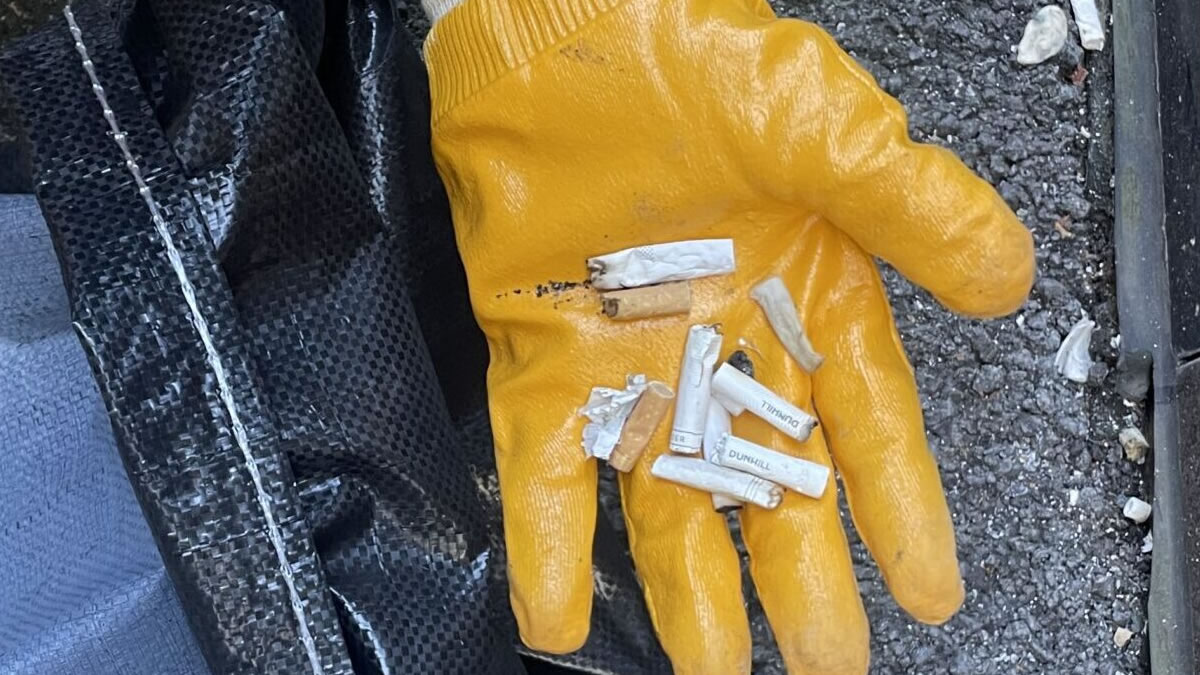
The Clean Up Australia Litter Report for FY25 has identified a troubling shift in the nation’s pollution landscape. While plastics continue to dominate, accounting for 80.8% of all counted litter, cigarette butts have surged to become the single most littered item, representing nearly a quarter of all waste found. The report also highlights a dangerous rise in vape litter, which is now present at 33.9% of surveyed sites, underscoring an urgent need for safe disposal systems for these battery-containing devices.
Key Takeaways
- Top Polluter: Cigarette butts (made of plastic) are now the #1 individual litter item, comprising 23.6% of the total count.
- Plastic Dominance: Plastics represent 80.8% of all litter, with soft plastics alone accounting for 30.5%.
- Vape Crisis: Vapes were found at 33.9% of sites, a 23.5% increase in site prevalence over three years.
- Consumption Spike: Australia’s plastic consumption hit 3.97 million tonnes in 2024, a 122% increase since 2000.
- Coffee Cups: Takeaway cups nearly doubled their share of litter, rising from 2.8% to 4.3%.
Core Finding: The “Invisible” Plastic Crisis
The report exposes a critical public misconception: many Australians do not realize that cigarette butts are plastic. Clean Up Australia Chair Pip Kiernan notes that an estimated 8.9 billion butts are littered annually. These items are not biodegradable; they shed microfibres, leach toxic chemicals, and persist in the environment for up to 30 years. This surge has pushed butts past soft plastic wrappers (18.6%) and plastic bags (8.7%) to claim the top spot on the litter list.
Expert Quote:
“The pervasiveness of plastics… shows we cannot simply recycle our way out of this challenge. We need packaging reforms that reduce production of single-use plastics and increase reliance on reusable alternatives.” — Pip Kiernan, Chair of Clean Up Australia.
Data Visualization: FY25 Litter Composition
The data reveals that packaging remains the primary driver of environmental waste, representing nearly 60% of all items collected.
| Litter Category | Percentage of Total Count | Trend vs FY24 |
|---|---|---|
| Cigarette Butts | 23.6% | Surged to #1 position |
| Soft Plastics | 30.5% | Remains significant problem |
| Vapes (Site Presence) | Found at 33.9% of sites | +23.5% increase (3-year trend) |
| Beverage Containers | 14.6% | Declining due to Deposit Schemes |
| Coffee Cups | 4.3% | Increased from 2.8% |
Practical Application: The Vape Disposal Gap
The rapid increase in vape litter presents a unique hazardous waste challenge. Unlike standard plastic, vapes contain lithium batteries and toxic chemical residues that pose fire risks in general waste bins. With vapes now appearing at one-third of all surveyed locations, the report calls for a nationwide safe disposal system. This data supports the push for an Extended Producer Responsibility (EPR) scheme, which would legally force manufacturers to manage the lifecycle of their packaging and products.
Are cigarette butts biodegradable?
No. Cigarette filters are made of cellulose acetate, a type of plastic. They take up to 30 years to decompose while leaching toxic chemicals into soil and waterways.
Clean Up Australia’s Litter Report FY25 and national and state-based fact sheets can be viewed HERE.

- Alabama House Passes Bill to Ban Public Vaping and Rename Clean Air Act - April 11, 2026
- Pennsylvania Mandates Strict Vape Manufacturer Certification Registry - April 10, 2026
- Bangladesh Moves to Lift Ban on E-cigarette Vapes - April 2, 2026