
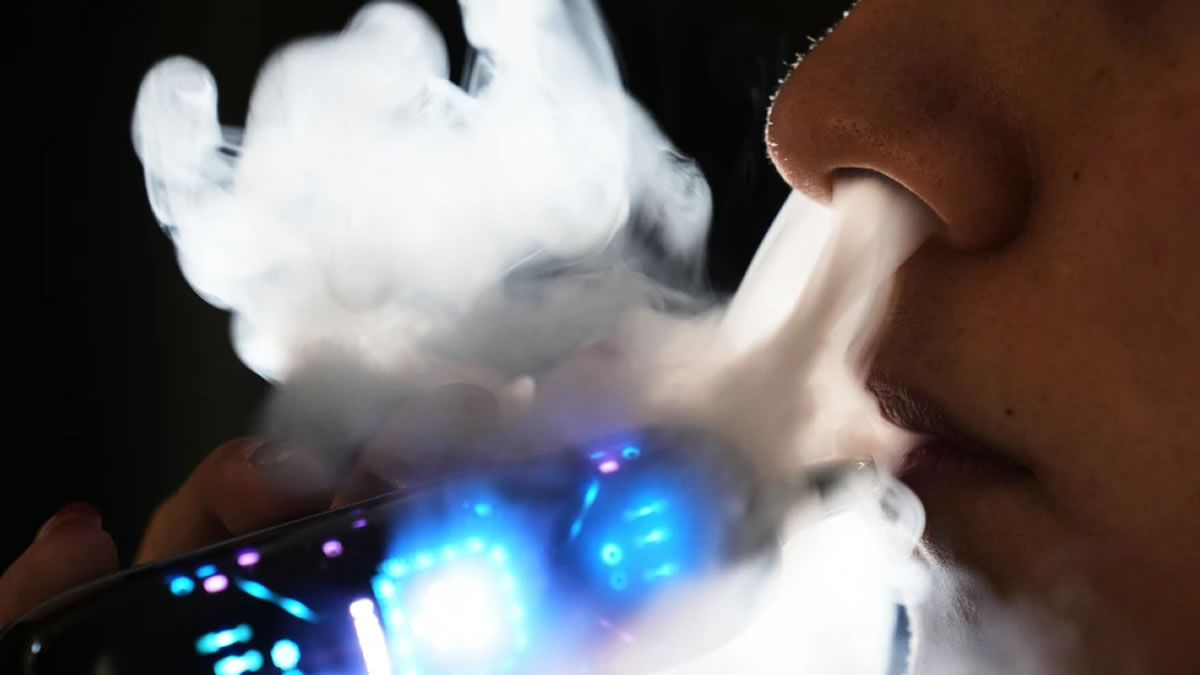
Mexico’s recent constitutional ban on the sale of electronic cigarettes has inadvertently handed control of the lucrative vape market to organized crime syndicates. By criminalizing the legal trade, the government has created a void that cartels are rapidly filling, using intimidation, violence, and their existing illicit networks to monopolize distribution and sales.
Key Takeaways:
- Cartel Takeover: Criminal groups are seizing vape shops and forcing owners to sell cartel-supplied products.
- Legal Void: The ban eliminates legal competition, handing a $1.5 billion market to non-state actors.
- Severe Penalties: New laws impose up to 8 years in prison for selling vapes, driving legitimate sellers out.
- Public Health Risk: Unregulated, cartel-controlled products raise fears of adulteration and increased youth access.
In early 2022, the owner of a vape store in northern Mexico faced a terrifying reality: the arrival of a drug cartel. Employees were abducted, blindfolded, and the owners were told their business was being seized. This incident was a harbinger of a darker future for Mexico’s $1.5 billion vaping market, which has now been effectively handed over to organized crime following a sweeping government ban.
From Legal Business to Cartel Territory
“They don’t come asking whether you want to… they come telling you what’s about to happen,” recalled one owner, now living in the U.S. out of fear. At the time, vaping was still legal, but recent legislative changes have drastically altered the landscape.
Earlier this month, a new law took effect, implementing a total ban on the sale—though not the consumption—of electronic cigarettes. Experts warn that this move is effectively consolidating organized crime’s control over the sector. Zara Snapp, director of the Ría Institute, argues that “by banning it, you’re handing the market to non-state groups.” In a country grappling with cartel violence, this policy shift provides criminal organizations with a new, low-risk revenue stream.
The Legal Crackdown: Closing Loopholes with Heavy Hands
The push to ban vapes has been a long-term goal of the Mexican government. Former President Andrés Manuel López Obrador, a staunch critic of vaping, initially attempted to ban imports and sales. When the Supreme Court declared this unconstitutional, he pursued a constitutional amendment. This amendment passed in January 2025 under his successor, President Claudia Sheinbaum, controversially grouping electronic cigarettes alongside deadly synthetic opioids like fentanyl.
While a legal loophole initially allowed sales to continue, a new law enacted in December closed this gap, imposing severe penalties:
- Prison Sentences: Up to eight years for manufacturing, importing, or selling vapes.
- Hefty Fines: Significant economic penalties for non-compliance.
For legitimate business owners like Aldo Martínez in Mexico City, the risk is too great. “I don’t want to go to jail,” said Martínez, who stopped selling vapes immediately. He now fears extortion from corrupt authorities who might plant evidence to demand bribes.
Organized Crime’s Expansion Strategy
As the legal market crumbles, cartels are moving in. Reports indicate that criminal groups have expanded their share of the vape sector across northern states and major cities like Guadalajara and Mexico City. Some cartels are even branding products with their own stickers, a tactic reminiscent of their drug trafficking operations.
Lawyer Alejandro Rosario notes that intimidation and violence have forced many sellers to either close shop or agree to sell cartel-supplied products. “I have lost about 40% of my clients,” Rosario stated. The cartels are not just taking over distribution; they are reportedly presenting themselves as formal businesses, importing disposable shells directly from Asia to fill with their own substances. This raises alarming concerns about product safety, as these organizations already handle illicit drugs and operate without any quality control.
Public Health Paradox: Banning Safety to “Protect” Youth
The government frames the ban as a necessary measure to protect young people. Mexico City Mayor Clara Brugada celebrated the confiscation of 50,000 vapes as a victory for youth health. However, critics argue the ban achieves the opposite.
Lawyer Juan José Cirión Lee points out the absurdity: “Those selling cocaine, fentanyl, marijuana are selling you vapes,” and they have no qualms about selling to minors. While the U.S. FDA and many scientists acknowledge that e-cigarettes are far less dangerous than traditional tobacco, Mexico’s ban removes this safer alternative for adult smokers while driving the market underground where no age verification exists.
Conclusion: A Future in the Shadows
For now, uncertainty reigns. Consumers are panic-buying, and small entrepreneurs are trying to operate beneath the radar. But the trajectory is clear: without a legal framework, the vape market is destined to become another portfolio item for organized crime. As one anonymous entrepreneur noted, “Sooner or later the whole market will be in the hands of organized crime.”

- Global Health Experts Demand Risk-Based Nicotine Regulation - March 16, 2026
- FDA Pivot: Potential Reintroduction of Adult-Oriented Vape Flavors Amid Regulatory Debate - March 12, 2026
- Iowa Governor Proposes Cigarette Tax Hike & 15% Vape Levy - February 6, 2026