
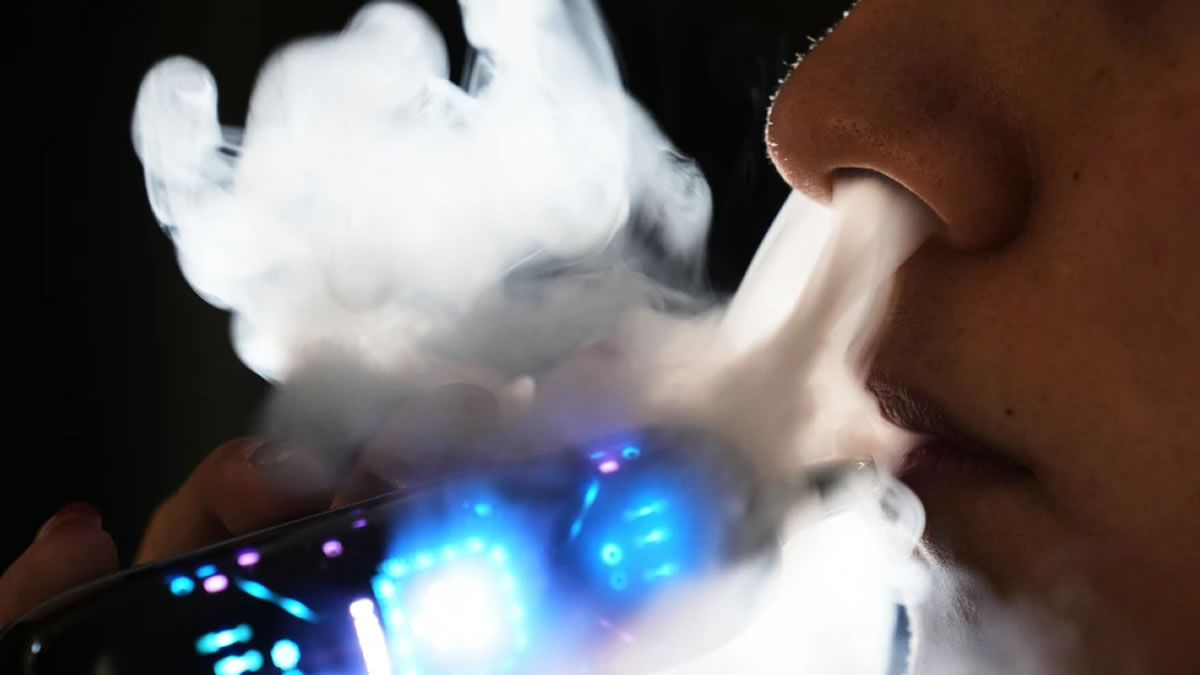
Mexico is currently navigating a period of institutionalized disinformation regarding tobacco and nicotine, characterized by a state narrative that equates vaping with lethal substances like fentanyl. While global health leaders pivot toward Harm Reduction—replacing combustible cigarettes with lower-risk alternatives like nicotine pouches and heated tobacco—Mexico has chosen a path of constitutional prohibition. This strategy effectively criminalizes life-saving tools while leaving the most dangerous product, the traditional cigarette, widely available and legal.
The Combustion Paradox: Science vs. State Narrative
Decades of international research confirm that the primary health hazard of smoking is not nicotine, but combustion. The smoke from burning tobacco contains thousands of toxic substances, many of which are carcinogenic. Non-combustible delivery systems, such as vaping devices, eliminate this process and significantly reduce health risks. However, the Mexican government’s official discourse deliberately erases this distinction, claiming that “vaping is worse than smoking.”
This narrative, supported by initiatives like Red Autonomía MX and CE LIBRE, is identified as a violation of the right to informed bodily autonomy. When the state distorts scientific data to sustain a political agenda, it creates a “Pyrrhic victory” for prohibition. For Mexico’s 15 million tobacco users, this misinformation leads to a dangerous conclusion: that there is no benefit to switching, effectively trapping them in the cycle of combustible tobacco use.
Researching the Impact: The THRSP Investigation
To quantify the damage caused by these policies, researcher Aldo Contró López, supported by the THRSP (Tobacco Harm Reduction Scholarship Program) and KAC, is conducting a mixed-methods study titled “Institutionalized Disinformation on Tobacco and Nicotine in Mexico.” The research utilizes documentary analysis, virtual ethnography, and focus groups to examine how public institutions select and reinterpret scientific findings to maintain a prohibitionist framework.
The study aims to bridge the gap between official rhetoric and scientific reality. By analyzing the perception of risk among consumers, the investigation seeks to highlight how state-sponsored alarmism molds health decisions. In a country where tobacco-related mortality remains high, the failure to distinguish between “vaping” and “smoking” represents a sophisticated form of institutional abandonment that prioritizes “sending the right message” over preserving human life.
| Policy Framework | Official Mexican Stance (Prohibition) | Scientific Harm Reduction (THR) |
|---|---|---|
| Core Philosophy | Moral prohibition and total ban. | Risk minimization and autonomy. |
| Nicotine Perception | Equated with fentanyl/high-risk drugs. | Addictive but not the primary carcinogen. |
| Combustion Logic | Ignored; all delivery is “equal.” | Eliminating combustion is the priority. |
| Consumer Impact | Stigmatization and criminalization. | Access to verified, lower-risk tools. |
The Ethics of Harm Reduction
Harm reduction is not a “trend” but an honest response to the reality that people use substances regardless of state permission. Platforms like CE LIBRE argue that the ethical question is not how to punish users, but how to make their behaviors less lethal. By blocking access to vaping and snus, Mexico is normalizable avoidable disease and death. A mature public health discussion must move beyond fear-based policies and embrace evidence-based regulation that treats regulated vaping as a strategic ally in the fight against the cigarette monopoly.

- Alabama House Passes Bill to Ban Public Vaping and Rename Clean Air Act - April 11, 2026
- Pennsylvania Mandates Strict Vape Manufacturer Certification Registry - April 10, 2026
- Bangladesh Moves to Lift Ban on E-cigarette Vapes - April 2, 2026