
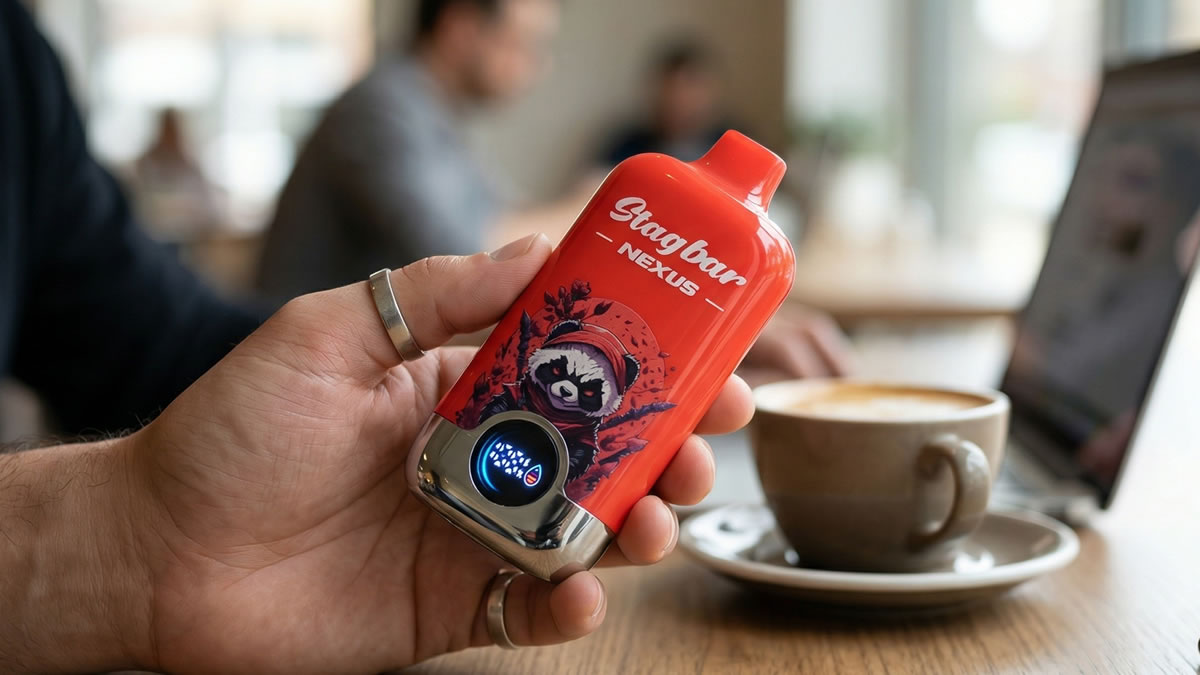
The Spanish Socialist Workers’ Party (PSOE) has introduced a proposal to ban the online and non-specialized retail sale of vapes and nicotine pouches, aiming to restrict all commercialization exclusively to state-licensed tobacconists (Estancos).
- Exclusive Retailers: The initiative seeks to limit all vape sales entirely to the state’s official network of tobacco shops.
- Ecommerce Ban: If passed, the measure would completely eliminate online sales channels for vaping and alternative nicotine products in Spain.
- Stated Objectives: Proponents argue the restriction is necessary to improve health oversight, prevent underage access, and tighten tax and environmental controls.
- Recycling Mandates: The proposal also pushes for stricter enforcement of electronic waste recycling for vape manufacturers and distributors.
The Spanish Socialist Workers’ Party (PSOE) is pushing to completely ban the online sale of vapes and nicotine pouches across Spain. This legislative proposal, scheduled for debate by the Joint Commission for the Study of Addiction Problems, aims to restrict all nicotine product sales exclusively to state-licensed tobacconists (Estancos). The party cites health, fiscal, and environmental controls as the primary drivers for this drastic market shift.
The non-legislative proposal seeks to “circumscribe” the sale of these products to authorized establishments. The PSOE argues that the current regulatory framework has failed to keep pace with the rapid growth of online channels and non-specialized retail stores.
According to the initiative, the nicotine market has transformed significantly. Even modern products that do not contain traditional tobacco maintain an addictive potential that requires stringent state oversight. Lawmakers argue that unregulated digital and retail channels facilitate underage access, complicate product traceability, and make it difficult to enforce labeling and tax obligations.
To combat these issues, the socialist plan includes several key enforcement measures:
- Increased Inspections: Ramping up oversight on unregulated and non-specialized sales channels.
- Stricter Penalties: Sanctioning violations related to underage sales, tax evasion, and improper waste management.
- Inter-ministerial Coordination: Enhancing cooperation between the Ministries of Health, Finance, Consumer Affairs, and Ecological Transition to ensure compliance.
Critics note that banning e-commerce for legal consumer goods in 2026 represents a drastic shift in consumer habits. It would force the entire distribution network into a limited number of physical, state-authorized locations, fundamentally altering the current access model.
Beyond sales restrictions, the text strongly emphasizes environmental sustainability. It proposes stricter enforcement of electronic waste recycling regulations, which would compel vape manufacturers, importers, and distributors to finance waste collection and provide free return systems for used devices.

- Turkey Proposes Total Tobacco and Vape Ban by 2040 - April 13, 2026
- Spain’s PSOE Proposes Banning Online Vape Sales to Restrict Market to Tobacconists - April 13, 2026
- NY Proposes 75% Tax on ZYN Pouches: Critics Warn of Public Health Risks - April 10, 2026