
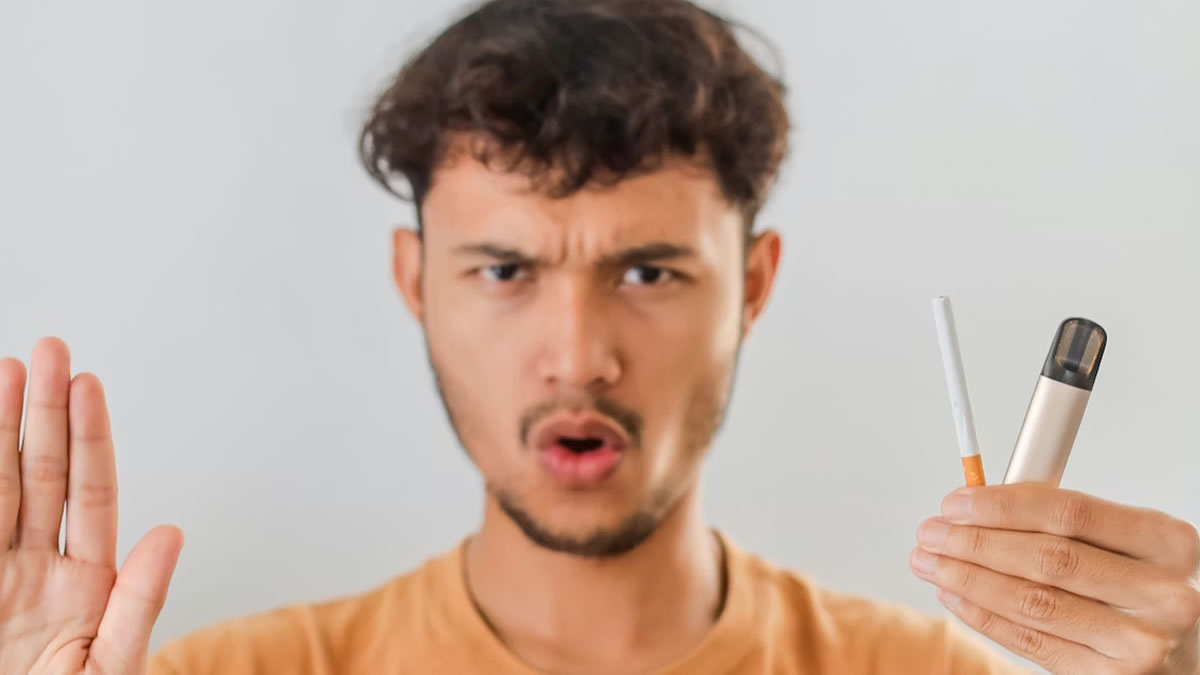
The UK’s upcoming Tobacco and Vapes Bill aims to create a “smokefree generation” by permanently banning tobacco sales to anyone born after January 1, 2009. Expected to become law in March 2026, the legislation also introduces strict new vaping regulations, sparking intense debate over the balance between youth protection and adult harm reduction.
The United States and the rest of the world are watching closely. The UK is about to launch one of the most aggressive public health experiments in modern history. If the Tobacco and Vapes Bill passes as expected in March 2026, the legal age to purchase combustible tobacco will rise by one year, every single year, starting in 2027. The ultimate goal? To ensure that younger generations never legally buy a cigarette.
This is not an outright ban on smoking. Current smokers will not lose their access to tobacco. Instead, the policy is a calculated phase-out designed to choke off the pipeline of new users. The logic is hard to argue against. Data shows that 127,500 young adults between the ages of 18 and 25 take up smoking in the UK every year. By cutting off legal sales to this demographic, lawmakers hope to systematically eradicate the habit.
The Vaping Dilemma: Harm Reduction at Risk?
While phasing out combustible cigarettes dominates the headlines, the vaping industry faces its own regulatory reckoning. The bill introduces sweeping new powers to restrict vape flavors, curb point-of-sale advertising, and potentially ban vaping in specific outdoor spaces. The stated intent is to strip away the appeal of e-cigarettes for children.
Here is the problem. Vaping currently plays a massive role in UK smoking cessation. Evidence clearly suggests that e-cigarettes are more effective than standard nicotine replacement therapy (NRT) for helping adults quit. Policymakers are attempting a highly delicate balancing act. They want to protect youth without destroying a vital off-ramp for adult smokers. Will these new flavor and advertising restrictions strike the right balance? Or will they inadvertently slow the national shift away from deadly combustible tobacco? The debate is far from settled.
Lobbying, Pushback, and Enforcement
Make no mistake. The tobacco lobby will fight this aggressively. We have seen this playbook before. Opponents will inevitably highlight the potential loss of £8 billion in tobacco tax receipts and lean heavily on “nanny state” rhetoric. A similar generational phase-out was planned in New Zealand, only to be abruptly scrapped following a change in government and intense industry lobbying. Currently, only the Maldives is pursuing a comparable path.
Yet, public opinion in the UK tells a different story. Over two-thirds of the population supports the policy, including a significant number of current smokers.
Ultimately, the success of this legislation hinges entirely on enforcement. Local Trading Standards teams are responsible for inspecting retailers and prosecuting illegal sales. However, these departments have been gutted by years of financial cuts and staff shortages. The government recently announced a £10 million investment to bolster these teams. If this funding is not sustained, rogue retailers will simply exploit the black market, completely undermining the policy’s intent. The law may look perfect on paper, but without boots on the ground, a truly smokefree generation will remain a pipe dream.

- NY Seizes 28,500 Lbs of Illicit Vapes in Nassau & Hudson Valley - March 20, 2026
- CAPHRA Warns: Zombie Vapes Threaten Legal Nicotine Access - March 9, 2026
- UK Tobacco Ban 2026: The “Smokefree Generation” Law - March 4, 2026