
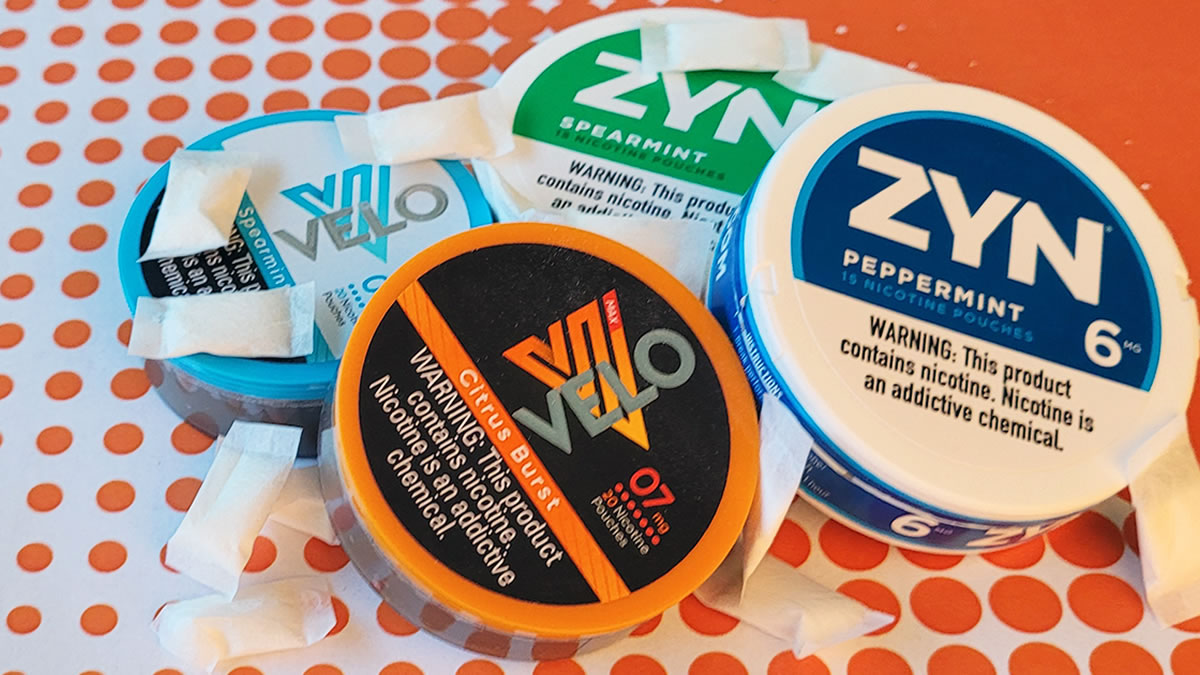
No, oral nicotine pouches like Zyn are not recommended or FDA-approved tools for quitting vaping or smoking. Unlike regulated Nicotine Replacement Therapy (NRT), these pouches often contain high concentrations of addictive nicotine and lack the safety data of proven cessation aids. Using them can increase the risk of addiction and dual use with other tobacco products.
Key Takeaways:
- Not FDA Approved: No nicotine pouches are approved as cessation aids.
- High Addiction Risk: Increasing sales of high-concentration pouches (8mg) raise dependence concerns.
- Dual Use Danger: 73% of young pouch users also smoke; 49% also vape.
- Better Alternatives: FDA-approved NRTs (gum, lozenges) are proven safe and effective.
Oral nicotine pouches refer to small, pre-portioned bags containing nicotine powder, flavorings, and other ingredients that are placed between the gum and lip. As brands like Zyn, On!, and Velo surge in popularity, a critical question has emerged: can these products serve as a viable off-ramp for vapers, or do they merely trade one addiction for another?
The Rise of Nicotine Pouches: A Market Explosion
The popularity of oral nicotine pouches has skyrocketed, driven by aggressive marketing often mirroring the tactics of the e-cigarette industry. Between 2019 and 2022, unit sales increased six-fold. More recently, the growth has been even more explosive.
According to recent market data:
- Sales Surge: Total monthly sales jumped by 207% from January 2023 to April 2025.
- Revenue Growth: Monthly revenue rose from $145.5 million to a staggering $446.8 million.
- Targeting Youth: Manufacturers are using rewards programs and youth-appealing flavors to attract younger demographics.
Nicotine Pouches vs. Nicotine Replacement Therapy (NRT)
It is crucial to distinguish between commercial nicotine pouches and FDA-approved cessation aids. While they may look similar to nicotine lozenges or gum, their regulatory status and purpose are fundamentally different.
| Feature | Oral Nicotine Pouches (e.g., Zyn) | Nicotine Replacement Therapy (NRT) |
|---|---|---|
| FDA Approval | Only 26 products authorized for sale; NONE approved for quitting. | Approved and regulated as cessation medicine. |
| Safety Profile | Concerns over high nicotine content and addiction. | Decades of research confirm safety and efficacy. |
| Nicotine Levels | Often high (up to 8mg+); sales of high-strength pouches are rising fast. | Controlled doses designed to wean users off nicotine. |
| Purpose | Recreational use; often marketed as a lifestyle product. | Therapeutic tool to quit tobacco/nicotine. |
The Hidden Dangers: Addiction and Dual Use
Far from being a solution, nicotine pouches may exacerbate the problem of addiction. A 2022 study highlighted a worrying trend: sales of the highest concentration pouches (8 mg) are growing faster than lower-strength options. This potency increases the risk of dependence.
Furthermore, these products are rarely used in isolation. Research published in Preventive Medicine found alarming rates of dual use among young people:
- 73% of young oral pouch users also smoke cigarettes.
- 49% concurrently vape nicotine.
Using multiple nicotine products simultaneously significantly heightens the risk of addiction and harms developing brains. For those looking to quit vaping, swapping to an unregulated, high-nicotine product like Zyn is not a recommended strategy. Instead, proven methods like NRTs and professional support programs offer a safer, more effective path to a nicotine-free life.

- Global Health Experts Demand Risk-Based Nicotine Regulation - March 16, 2026
- FDA Pivot: Potential Reintroduction of Adult-Oriented Vape Flavors Amid Regulatory Debate - March 12, 2026
- Iowa Governor Proposes Cigarette Tax Hike & 15% Vape Levy - February 6, 2026