
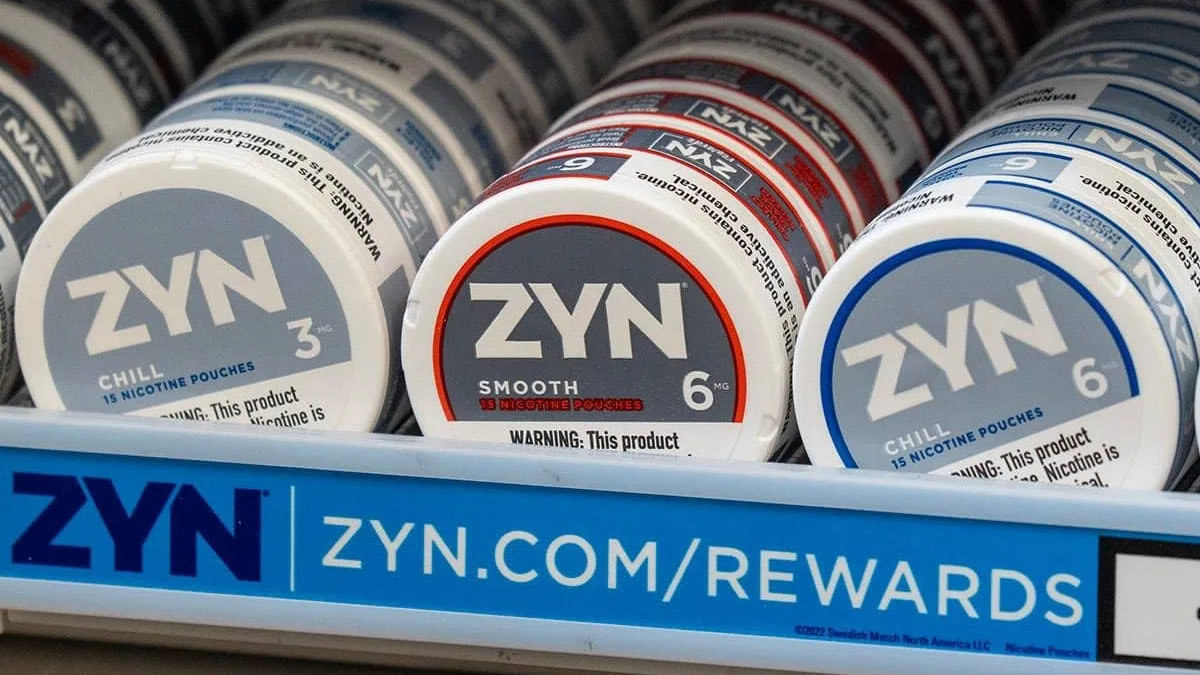
New York Governor Kathy Hochul has ignited a new fiscal controversy with her proposal to levy a heavy tax on nicotine pouches, specifically targeting popular brands like Zyn. As part of her Fiscal Year 2027 Executive Budget, Hochul aims to close a tax loophole that currently exempts these tobacco-free nicotine products from the state’s steep wholesale taxes. The move has sparked immediate backlash from users who view it as an attack on “the working man” and a safer alternative to smoking.
Key Takeaways
- The Proposal: Hochul wants to expand the definition of “tobacco products” to include nicotine pouches, subjecting them to a potential 75% wholesale tax.
- Current Status: Zyn pouches are currently only subject to the standard 4% sales tax, making them significantly cheaper than cigarettes or vapes.
- Revenue Goal: The state projects this tax will generate approximately $18 million in FY 2027 to fund healthcare initiatives.
- User Reaction: “I’m addicted, so I’ll pay the tax,” admitted one resigned user, while others blasted the move as “bending over the common man.”
Closing the Loophole: From 4% to 75%?
Examining the legislative intent reveals a clear strategy to align “modern” nicotine products with traditional tobacco taxation. Currently, nicotine pouches exist in a fiscal gray zone. Unlike cigarettes (hit with a $5.35 excise tax) or cigars (75% wholesale tax), Zyn pouches have enjoyed a low-tax status. Hochul’s proposal would reclassify these items as “alternative nicotine products,” effectively subjecting them to the same 75% wholesale tax rate applied to snuff and chewing tobacco.
This is a significant financial shift. For the “2026 uniform” of trendy sneakers and a Zyn tin, the cost of daily habits is about to skyrocket. The proposal also includes a new $0.55 distributor fee per vapor product, further tightening the screws on the nicotine market.
The “Working Man’s” Tax?
Tracking the street-level reaction in Midtown Manhattan shows deep resentment. Zyn has become a cultural staple for young professionals and blue-collar workers alike, largely due to its affordability compared to cigarettes. “It was the one cheap nicotine product on the market, and now it’s not going to be,” one user lamented.
Critics, including parent company Philip Morris, argue that this policy is counterproductive to public health. By erasing the price advantage of pouches, the state may inadvertently discourage smokers from switching to these less harmful alternatives, potentially driving them back to combustible cigarettes or the black market.
Comparison Matrix: New York Nicotine Taxes
The following table illustrates the potential shift in taxation under Hochul’s new budget plan.
| Product Category | Current Tax Status | Proposed Status (FY 2027) |
|---|---|---|
| Cigarettes | $5.35/pack Excise Tax | Unchanged |
| Nicotine Pouches (Zyn) | 4% Sales Tax Only | ~75% Wholesale Tax |
| Vapes | 20% Supplemental Tax | Add $0.55 Distributor Fee |
Where Will the Money Go?
Beyond the headlines, the reality is that this tax is a plug for a larger budget hole. Hochul plans to deposit an annual $50 million from overall tobacco revenues into the Health Care Reform Act (HCRA). This fund supports hospital care and Medicaid, which are facing funding squeezes due to a $10.3 billion drop in federal aid. Essentially, Zyn users will be directly subsidizing the state’s healthcare deficit.
When will the Zyn tax start?
If approved by the State Legislature, the tax would take effect with the new fiscal year beginning April 1, 2026. However, budget negotiations in Albany are notoriously late, so the exact date remains fluid.
- Refrence: New Yorkers React To Hochul’s “Zyn Tax”

- Alabama House Passes Bill to Ban Public Vaping and Rename Clean Air Act - April 11, 2026
- Pennsylvania Mandates Strict Vape Manufacturer Certification Registry - April 10, 2026
- Bangladesh Moves to Lift Ban on E-cigarette Vapes - April 2, 2026