
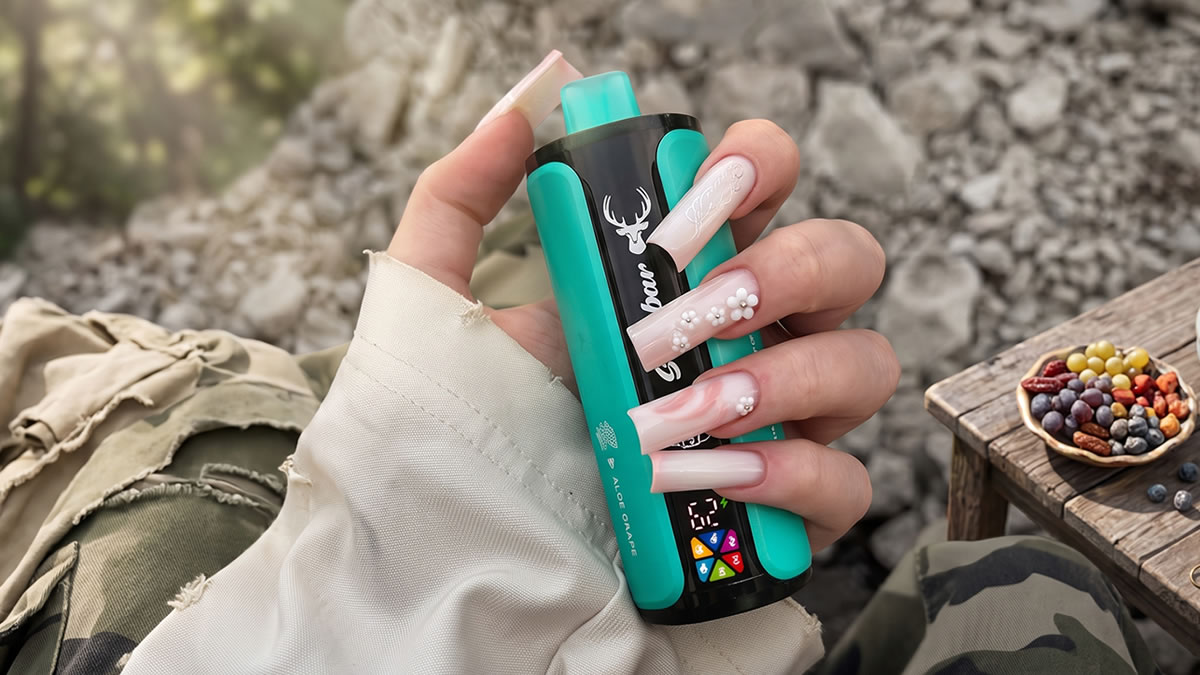
The Costa Rican government has delayed its vape regulation decree for one year, pushing the implementation date from August 6, 2026, to August 6, 2027. Signed by President Laura Fernández and Health Minister Alexander Sánchez, executive decree 45853-S leaves all upcoming restrictions intact while granting authorities time to build enforcement infrastructure.
For now, the status quo remains. Vaping is still banned in public spaces like restaurants, bars, and schools, and synthetic nicotine and cannabinoids remain prohibited. However, fruit and dessert-flavored e-liquids will remain legal to purchase through most of next year.
Once the decree takes effect in August 2027, the market will shrink. Manufacturers will be restricted to 16 approved tobacco-only flavoring compounds. All fruit, candy, dessert, and spice flavors will be banned to prevent youth initiation.
The new rules will cap nicotine concentrations at 20 milligrams per milliliter and limit nicotine-containing bottles to 10 milliliters. Packaging will also ban images of food, toys, cartoon characters, and influencers, alongside a total ban on advertising and social media promotion.
The Health Ministry admitted it lacks the tools to enforce the law. Officials are currently procuring laboratory equipment, including an inductively coupled plasma spectrometer to detect heavy metals, and training staff to monitor the market.
The delay has polarized local groups. The National Anti-Tobacco Network criticized the move as a victory for the tobacco industry at the expense of children’s health. Conversely, the Costa Rican Chamber of Commerce supported the delay, warning that an immediate ban would have fueled the illicit black market.

- Turkey Plans Digital ID Checks to Stop Underage Tobacco Sales - October 12, 2026
- Over One Million Never-Smokers Now Vape Regularly in Great Britain - October 12, 2026
- Pennsylvania Vape Directory Takes Effect Oct. 17: Rules and Fines - October 9, 2026