
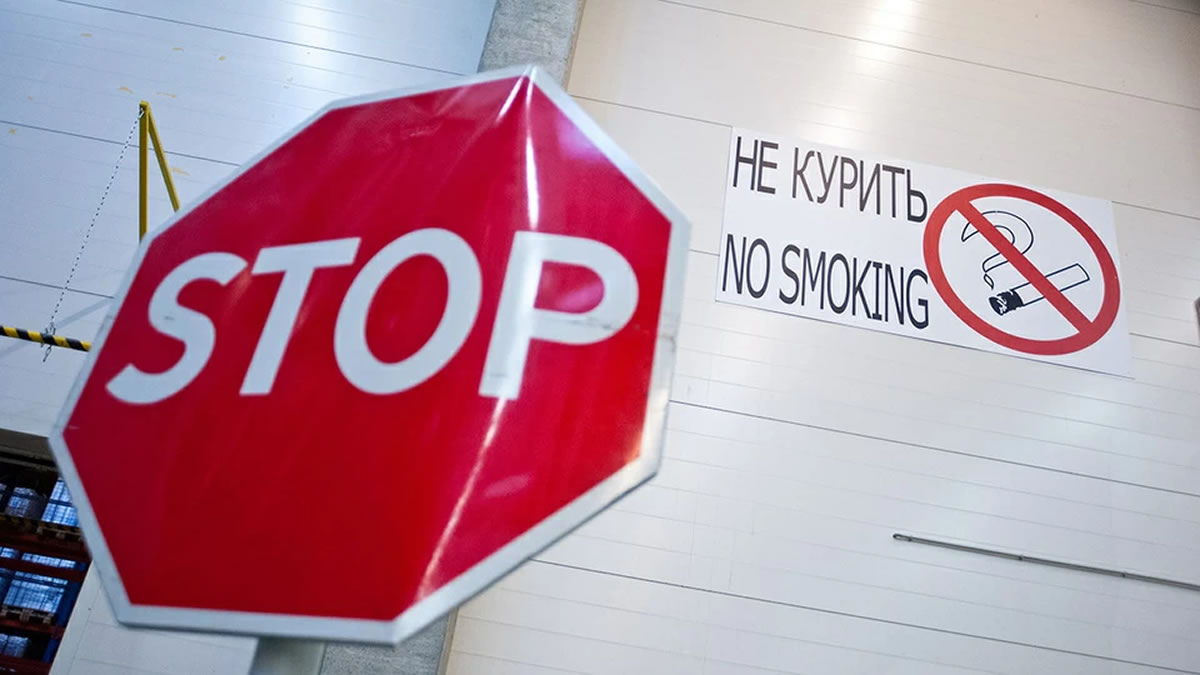
Thirty-seven Russian regions have approved total retail bans on electronic nicotine delivery systems (ENDS) and associated liquids, effective March 1, 2027, through March 1, 2032. This wave of regional legislation follows a June federal law granting local authorities the power to restrict nicotine product sales within their jurisdictions.
- Regional Expansion: Thirty-seven regions have enacted bans, with officials projecting over 70 regions may adopt similar measures by the end of 2026.
- Enforcement Penalties: Local authorities are implementing significant fines, ranging from 3,000 rubles for individuals to 500,000 rubles for legal entities.
- Policy Concerns: Public health advocates warn that fragmented regional regulations may create cross-border nicotine smuggling risks, prompting calls for a unified federal prohibition.
The legislative landscape for nicotine alternatives in Russia is shifting rapidly. By November 24, thirty-seven regions formalized bans on the retail sale of vaping products. Recent approvals from the Novgorod, Murmansk, Orenburg, Komi, and Kabardino-Balkaria regional parliaments accelerated this trend.
All participating regions have synchronized the moratorium start date to March 1, 2027, with the restrictions set to expire on March 1, 2032. This timeline aligns with the authority granted by a federal law signed by President Vladimir Putin in June.
Enforcement and Regulatory Fragmentation
Regional governments are establishing independent punitive frameworks to support these sales bans. In the Novgorod region, penalties for illegal distribution are scaled by offender type:
- Individuals: 3,000 to 5,000 rubles
- Entrepreneurs: 200,000 to 300,000 rubles
- Legal Entities: 300,000 to 500,000 rubles
State Duma Deputy Speaker Anna Kuznetsova expects this legislative momentum to continue, with projects under development in major areas including Krasnodar, Stavropol, Primorsky Krai, Bashkiria, and the Chelyabinsk region.
Calls for a Unified Federal Ban
Despite the rapid adoption of regional laws, health organizations such as “Right to Health” have petitioned Prime Minister Mikhail Mishustin for a singular, nationwide retail prohibition. Advocates and members of the Civic Chamber of Russia argue that localized bans create geographic loopholes.
Critics of the current approach highlight the risk of cross-border trade, where consumers easily purchase vaping products in neighboring regions with more permissive laws. Analysts suggest that a federal mandate would prevent the illicit redistribution of nicotine products between regions with differing regulatory statuses.
Frequently Asked Questions
-
Why are Russian regions moving toward a vape retail ban?
Regional governments aim to restrict legal access to nicotine products for minors and youth populations. The federal law enacted in June specifically empowers these regions to implement bans to mitigate regional public health risks.
-
What are the primary criticisms of the regional ban approach?
Public health advocates warn that fragmented, region-specific bans lead to “regulatory arbitrage,” where consumers move across borders to purchase products in regions where sales remain legal. This prompts demands for a unified, national-level retail prohibition.
Disclaimer: This content is intended for informational purposes for adult smokers and vapers (18+) only. Nicotine is an addictive chemical. Product availability and regulations vary by jurisdiction under local TPD and national laws.

- 37 Russian Regions Approve Total Vape Retail Ban by 2027 - November 25, 2026
- UK Nicotine Pouch Age Limit vs. Canadian Rules - November 21, 2026
- German Tobacco Tax Blunder Triggers Chaos and Price Uncertainty - October 24, 2026