
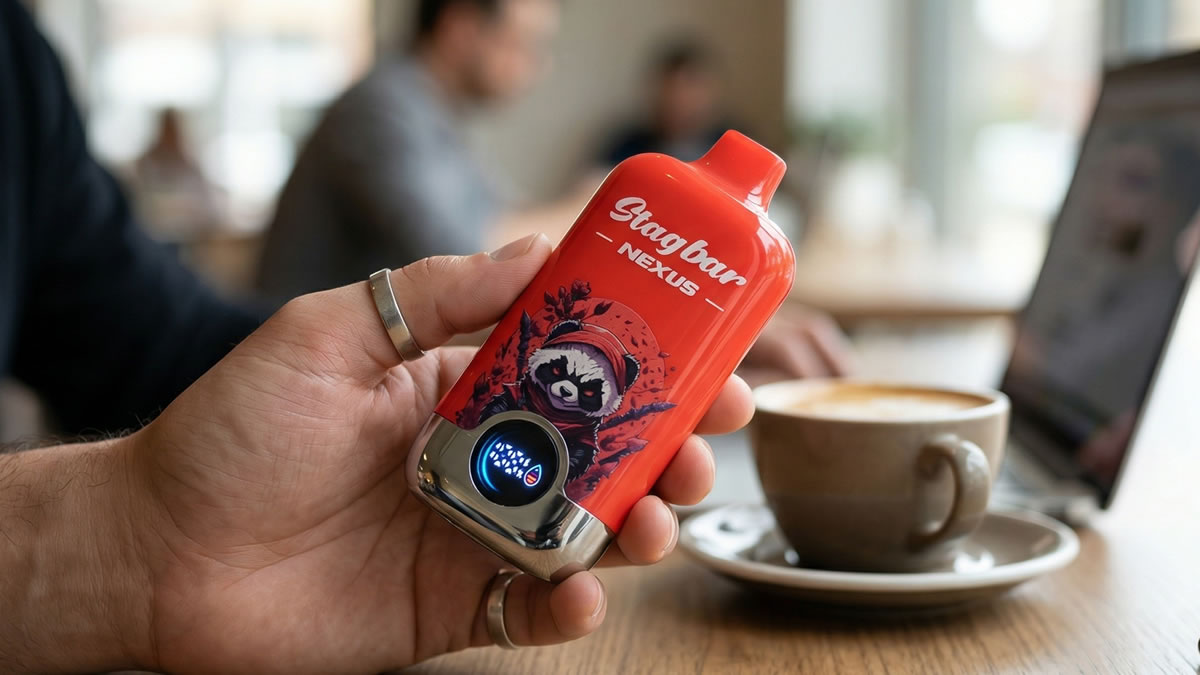
Spanish Health Minister Mónica García announced a draft bill on Tuesday to ban smoking on outdoor terraces of bars and restaurants. The proposed legislation will also regulate all vaping products under the same rules as conventional tobacco, updating the country’s anti-smoking framework for the first time in over a decade.
The initiative aligns Spain with European neighbors like the UK and France, which are tightening tobacco and e-cigarette laws to reduce healthcare costs and protect public health. Minister García stated the plan aims to return Spain to the forefront of tobacco control, following previous reforms that banned indoor workplace smoking in 2005 and indoor dining in 2010.
According to ministry data, tobacco use causes approximately 50,000 deaths annually in Spain—about 140 deaths per day—and is a risk factor in 30% of cancer cases. However, the bill faces political hurdles in a fragmented Parliament. The main opposition party, the People’s Party, has conditioned its support on creating designated smoking areas and protecting the hospitality sector from financial losses.
The proposed rules expand smoke-free zones to several new areas:
- Within 15 meters of public buildings, schools, healthcare centers, and playgrounds.
- Inside work vehicles, universities, public pools, and sports facilities.
- At venues hosting public events.
For the first time, electronic cigarettes, heated tobacco devices, nicotine pouches, hookahs, and herbal inhalation products will face the exact same restrictions as traditional cigarettes, whether they contain nicotine or not.
Spain’s hospitality lobby opposed the measure, arguing it would push smokers into private homes, potentially increasing secondhand smoke exposure for families.

- Turkey Plans Digital ID Checks to Stop Underage Tobacco Sales - October 12, 2026
- Over One Million Never-Smokers Now Vape Regularly in Great Britain - October 12, 2026
- Pennsylvania Vape Directory Takes Effect Oct. 17: Rules and Fines - October 9, 2026