
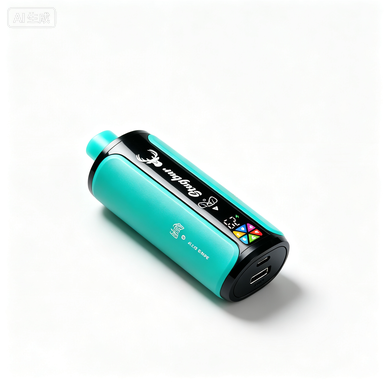
UK airlines, including easyJet and British Airways, are tightening enforcement of lithium battery rules for power banks and vapes this summer. Following updated guidance from the Civil Aviation Authority (CAA), carriers aim to prevent in-flight fire hazards by ensuring all battery-powered devices remain in passenger cabins rather than cargo holds.
CAA Launches Safety Campaign to Prevent Hold Fires
The regulatory push follows updated safety advice from the UK Civil Aviation Authority (CAA) under its “Pack Right. Safe Flight” campaign. The safety initiative warns that incorrectly packed electrical gadgets contribute to flight delays and heighten the risk of onboard smoke or fire incidents.
According to the CAA baggage safety advice, passengers must carry spare batteries, vapes, e-cigarettes, and power banks in their cabin baggage. If a lithium battery overheats, cabin crew can quickly detect and manage the issue. In contrast, a battery fire in the aircraft hold is much harder to access and extinguish, posing a severe risk to the aircraft.
Airlines Align Policies on Power Banks and Smart Bags
Airlines across the UK are updating their dangerous goods guidelines to clarify capacity limits. For instance, the easyJet dangerous goods policy permits power banks with lithium batteries up to 160 watt-hours (Wh) on board, but only in cabin bags. Under no circumstances can these items enter the cargo hold.
Smart suitcases are also subject to strict rules. If a passenger checks a smart bag into the hold, they must disconnect the integrated power bank at the bag drop and carry it into the cabin. Other carriers, including British Airways, state that smart baggage containing lithium batteries may be refused entirely if the battery cannot be removed.
To help travelers navigate these differences, the table below outlines the specific limits enforced by major UK carriers:
| Airline | Max Power Bank Capacity | Hold Luggage Rule | In-Flight Charging Rule |
|---|---|---|---|
| easyJet | Up to 160 Wh | Prohibited (Must remove from smart bags) | Prohibited |
| British Airways | Up to 160 Wh (Max 2 devices) | Prohibited (Must remove from smart bags) | Prohibited |
| Jet2 | Up to 160 Wh | Prohibited (Must remove from smart bags) | Prohibited |
| Ryanair | Up to 160 Wh | Prohibited (Must remove from smart bags) | Prohibited (Bans charging other power banks) |
Vapes and E-Cigarettes Restricted to Cabin Storage
Vapes and e-cigarettes face similar restrictions. The CAA classifies these as battery-powered portable electronic smoking devices, meaning they must remain in the cabin. Passengers must turn off their devices and protect them from accidental activation, such as disabling the fire button before boarding.
While airlines like Jet2 and Ryanair prohibit the use of vapes on board, broader regulatory shifts are also shaping the travel environment. The UK government is introducing tighter rules on vape sales, advertising, and flavors through the Tobacco and Vapes Act 2026. While this act focuses on public health, it reinforces the broader regulatory push for tighter control over vaping products in public spaces and transport networks.
Pre-Flight Checklist for UK Travelers
To avoid delays at security or bag drop, travelers should take several steps before arriving at the airport. First, check the watt-hour rating printed on all power banks. Devices without clear markings may be confiscated by airport security. Second, move all spare batteries and vapes from checked suitcases into hand luggage.
Finally, passengers should ensure that all devices are protected against short circuits. This can be done by keeping them in their original retail packaging, taping over exposed terminals, or placing them in separate plastic bags. Following these steps helps prevent delays and ensures a safer flight for everyone on board.

- Turkey Plans Complete Ban on Tobacco Sales by 2040 - September 15, 2026
- Nicotine E-Cigarettes Outperform Traditional NRTs in Helping Smokers Quit - August 28, 2026
- UK Airlines Enforce Stricter Cabin Rules for Vapes and Power Banks - August 27, 2026