
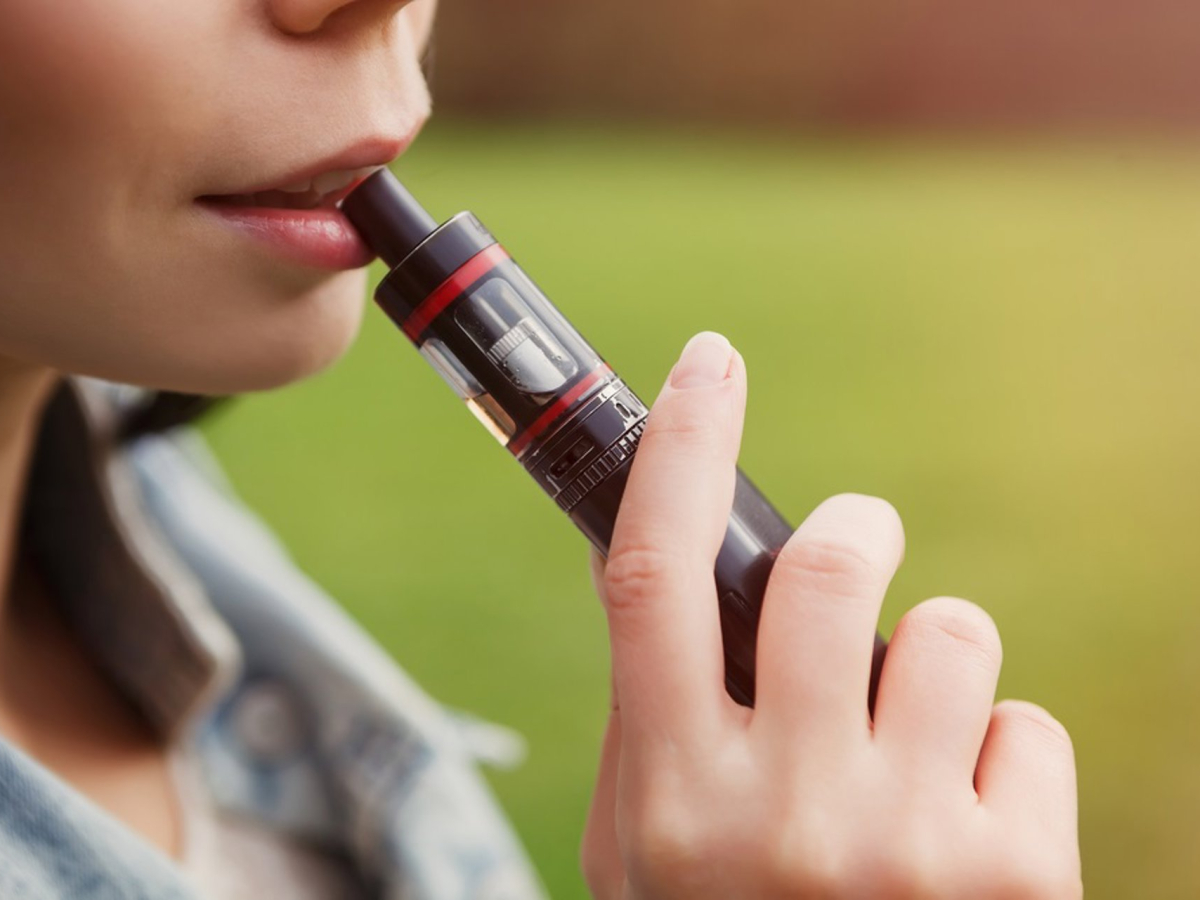
A study published in JAMA Pediatrics confirms that American teenage girls have surpassed boys in regular e-cigarette use since 2021. Conducted by researchers at the Medical University of South Carolina (MUSC), the data shows a clear shift in youth nicotine habits even as traditional cigarette smoking falls below 0.5% nationwide.
The research tracks smoking and vaping patterns across age and gender brackets from 2014 to 2024. Benjamin Toll, director of the MUSC Smoking Treatment Program and co-director of the Lung Cancer Screening Program at Hollings Cancer Center, noted that youth vaping remains an ongoing public health concern.
“We need to understand why and we need to mobilize our public health efforts. We need both prevention and intervention for these young people who are vaping at an alarmingly high rate,” Toll stated.
Tracking a Decade of Youth Nicotine Trends
To establish baseline trends, the research team analyzed data from the Population Assessment of Tobacco and Health (PATH) study, a nationally representative survey of US adolescents aged 12 to 17. The analysis examined regular use within the past 30 days, deliberately excluding participants who only experimented once or twice.
Lead author Brandon Sanford emphasized that this standard provides a realistic assessment of habituated use. “This makes this a rather conservative estimate,” Sanford said. “We are not talking about youth who simply tried vaping once or twice. We are talking about adolescents who use e-cigarettes with regularity.”
Analyzing the Gender Gap Across Age Groups
Between 2014 and 2018, e-cigarette use followed historical tobacco patterns, with boys reporting higher usage rates than girls. Vaping was also consistently more common among adolescents aged 15 to 17 than those aged 12 to 14.
In 2018 and 2019, youth vaping rates escalated rapidly across both sexes, driven by pod-based devices using nicotine salts. While overall numbers decreased in 2021, subsequent data revealed a widening gender gap:
- Ages 12 to 14: E-cigarette use remained relatively low, with minor annual fluctuations.
- Ages 15 to 17 (Girls): Regular vaping rose from 4.9% in 2021 to 7.8% in 2024.
- Ages 15 to 17 (Boys): Regular vaping measured at 4.6% in 2024.
| Product & Demographic (Ages 15–17) | 2021 Regular Rate | 2024 Regular Rate |
|---|---|---|
| E-Cigarettes (Female) | 4.9% | 7.8% |
| E-Cigarettes (Male) | — | 4.6% |
| Combustible Cigarettes (Both Sexes) | — | < 0.5% |
Co-lead author Naomi Brownstein warned against downplaying the numbers despite minor dips between 2023 and 2024. “Even though the rate decreased between 2023 and 2024, it remains high,” Brownstein said. “There are still many high school girls who vape.”
Evaluating Public Health Trade-offs and Nicotine Tracking
The decline of traditional smoking to below 0.5% represents a major public health milestone. Sanford noted that e-cigarettes appear to be replacing traditional cigarettes among youth. While vaping exposes users to fewer combustion toxicants than smoking, nicotine remains addictive and presents risks to adolescent brain development.
Unlike traditional cigarettes, which burn out after a fixed number of puffs, modern vape cartridges deliver hundreds or thousands of inhalations. This continuous availability, paired with compact device designs, makes it difficult for adolescents to track their actual nicotine intake.
Sanford noted that many adolescents in clinical settings cannot accurately report how much they vape because they do not track discrete sessions. Because the study is observational, researchers emphasize that further work is required to determine the specific social and psychological drivers behind higher usage among girls.

- US Teen Girls Now Vape More Than Boys as Cigarette Use Drops Below 0.5% - October 20, 2026
- German Bundestag Passes Phased Tobacco Tax Hikes Through 2030 - October 16, 2026
- Tatarstan Approves Five-Year Ban on Vape and E-Liquid Sales - October 15, 2026