
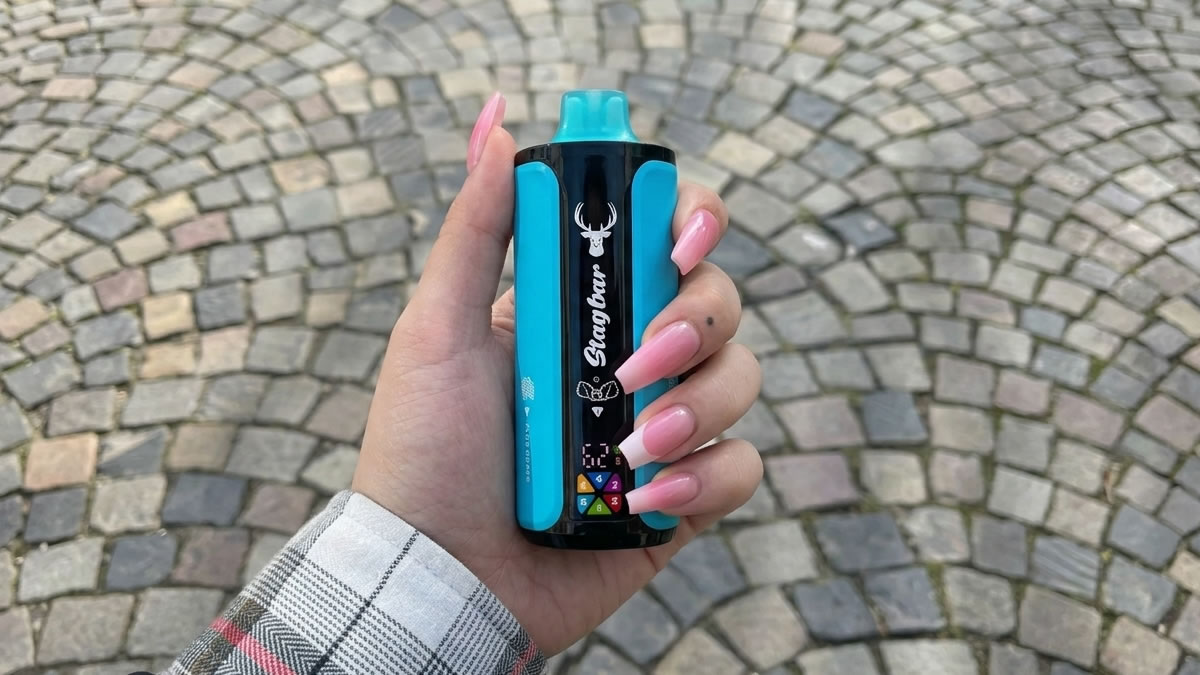
The United Arab Emirates will implement a minimum excise price of Dh1 per milliliter on e-cigarette and vape liquids starting September 1. This regulatory shift aims to curb youth vaping and reduce overall consumption by artificially raising the tax floor on low-cost products.
Under the updated rules, products retailing below the Dh1 per milliliter threshold will be taxed as though they had reached it. For example, from September, a 60ml bottle priced at Dh40 ($10.89) will be taxed based on a Dh60 ($16.34) valuation, with the existing 100% excise rate applied on top.
Dr. Rachel Kaminski, a pulmonologist at Saudi German Hospital in Dubai, stated that pricing is a useful tool to show that vaping is not a safe alternative to smoking. “The standpoint is a good starting point,” Kaminski said. “The main groups this will positively influence are young people new to vaping and the lower socioeconomic classes.”
Some consumers are already reconsidering their habits. Vinita Kullai, a vaper in Dubai, noted: “Maybe this will finally be the reason I quit. I’ve wanted to cut back for a while, so if vaping gets noticeably pricier, that extra pinch might be the push I need.” Other users, like Alina Husakova, plan to stockpile products before the deadline but do not expect to stop vaping entirely.
Industry operators worry the policy could backfire by boosting the black market. Falah Muhammed, manager of Yen Vape in the UAE, warned: “If the price gap between legitimate and unofficial products becomes too large, that could create more incentive for consumers to seek products from unregulated sellers.”
To mitigate this, Yen Vape plans to temporarily absorb a portion of the tax increase rather than passing the full cost to consumers. Muhammed added that retailers cannot absorb the financial impact indefinitely, but keeping prices competitive is necessary to prevent customers from turning to unregulated channels.
Data from the World Health Organisation indicates that raising tobacco taxes to increase prices by 10% reduces tobacco use by 4% in high-income countries and by 5% in low- and middle-income nations. The UAE’s strategy aligns with global efforts to restrict e-cigarette access through fiscal measures.
| Country | Regulatory / Tax Approach |
|---|---|
| UAE | 100% excise tax with a minimum price floor of Dh1 per ml. |
| United Kingdom | Vape duty scaled by nicotine strength (£2.20 to £4.20 per 10ml). |
| Canada | Federal duty per ml, with provincial options to double the rate. |
| Australia | Complete ban on recreational sales; pharmacy prescription required. |
| New Zealand | Tighter age controls combined with a new product levy. |
While the UAE maintains a 100% excise tax on tobacco and smoking-related products, the ministry confirmed that existing excise prices for traditional cigarettes, water pipe tobacco, and ready-to-use tobacco products will remain unchanged.

- Iowa Vape Law Restricts 99% of Products, Threatening Local Retailers - September 29, 2026
- High Tobacco Taxes Drive Australians to Illicit Market, Coalition Warns - September 29, 2026
- Trump Urged to Ban Chinese Vapes and Reform FDA Rules - September 27, 2026