
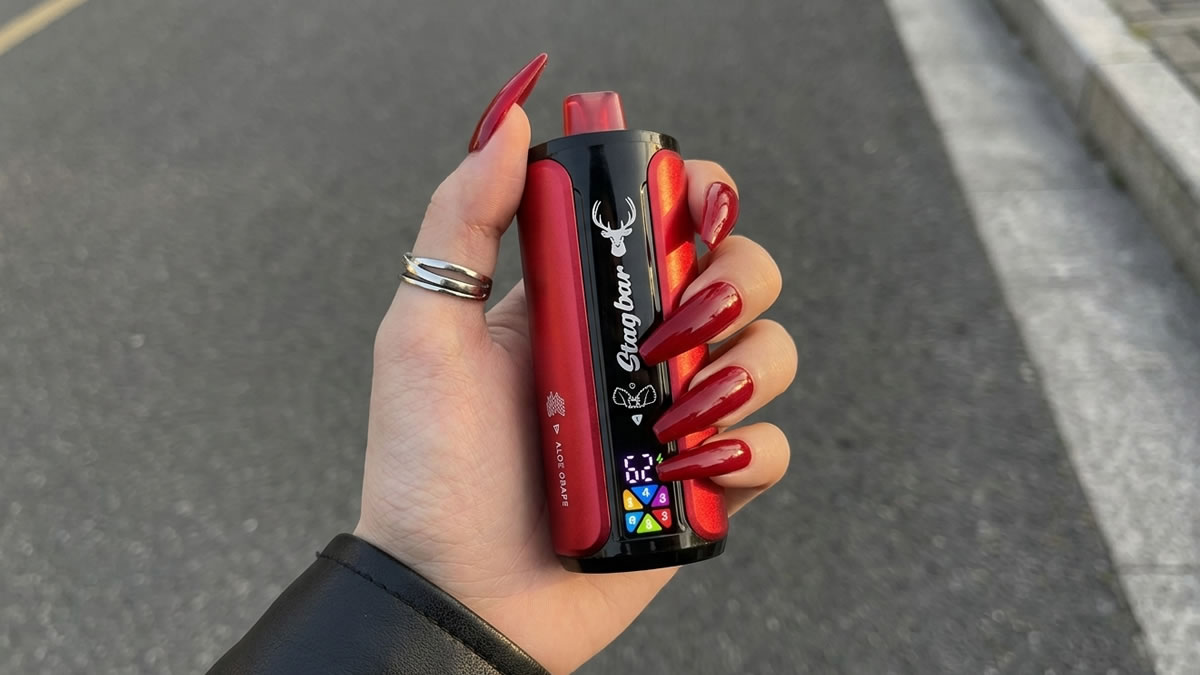
The global shift toward nicotine-free vaping in 2026 has transformed how consumers select their devices. As public awareness of wellness grows, manufacturers are designing hardware specifically optimized for zero-nicotine e-liquids, focusing heavily on battery efficiency, flavor delivery, and sustainable materials rather than high-nicotine delivery systems.
Choosing the right device requires looking past marketing claims and examining the technical specifications, material choices, and user experiences that define modern vaping hardware.
Evaluating Battery Performance and Charging Standards
A vape’s battery life and charging options directly dictate its daily utility. In 2026, lithium-ion batteries remain the industry standard due to their energy density and steady power output. However, advancements in battery chemistry now allow for smaller physical footprints without sacrificing overall capacity (measured in milliampere-hours, or mAh).
When selecting a device, consider your daily usage patterns. Light users who puff occasionally throughout the day can easily rely on a compact device with a battery capacity between 350 mAh and 500 mAh. Heavy users, or those who prefer larger vapor clouds, should look for robust devices offering 1000 mAh or more to avoid mid-day power depletion. Many modern devices feature LED indicators or digital screens that display real-time battery percentages, preventing unexpected power loss.
Charging technology has also matured. USB-C is now the universal standard across the industry, replacing older Micro-USB ports. This transition enables faster power delivery, often recharging a device from zero to eighty percent in under thirty minutes. For users seeking maximum convenience, premium models in 2026 offer Qi-compatible wireless charging, allowing the device to power up simply by resting on a charging pad at a desk or in a vehicle.
Smart technology integration has further optimized battery management. High-end nicotine-free vapes now connect to mobile applications via Bluetooth. These apps monitor battery health, track charging cycles, and alert users when the battery cell is degrading. By managing these metrics, users can extend the operational lifespan of their hardware and maintain consistent vapor production over time.
Navigating Flavor Profiles and Market Availability
For nicotine-free vapers, flavor is the primary component of the experience. Without the throat hit provided by nicotine, the sensory appeal relies entirely on the quality of the e-liquid formulation and the heating element’s ability to vaporize it cleanly.
The flavor market in 2026 is highly diverse, categorized into three main profiles:
- Classic Flavors: Traditional tobacco and menthol formulations designed for users transitioning away from smoking.
- Sweet and Fruit Blends: Popular options ranging from simple strawberry and mint to complex profiles like dragon fruit, lychee, and dessert recreations.
- Beverage and Herbal Profiles: Emerging options that mimic coffee, tea, or botanical extracts.
To experience these flavors as intended, the device must use high-quality heating coils. Mesh coils are highly recommended for nicotine-free vaping, as their larger surface area heats the e-liquid evenly, preventing dry hits and preserving the integrity of complex flavor notes.
Availability and logistics also play a role in your choice. While online platforms offer the widest selection of flavors and detailed customer reviews, local vape shops allow users to sample profiles before buying. When evaluating hardware, you can check out high-quality nicotine-free vapes to compare physical specifications and flavor compatibility.
Additionally, buyers must remain aware of local regulations. Many jurisdictions have implemented strict flavor bans to prevent youth appeal. Choosing a hardware system that utilizes open, refillable pods ensures you can source legal, compliant e-liquids even if pre-filled pods face local sales restrictions.
Assessing Build Quality, Materials, and Ergonomics
The physical construction of a vape determines its safety, durability, and comfort. A poorly constructed device is prone to leaking, cracked tanks, and internal electrical failures.
High-quality devices in 2026 utilize premium materials such as surgical-grade stainless steel, aircraft-grade aluminum, and reinforced borosilicate glass. For pod systems, manufacturers often use PCTG, a tough, BPA-free plastic that resists chemical degradation from acidic e-liquids (such as citrus or cinnamon flavors). Avoid cheap, brittle plastics that crack easily under physical stress.
Ergonomics and functionality are equally important. A well-designed vape should feel comfortable in the hand and feature intuitive controls. Consider the following design elements when shopping:
- Draw-Activated vs. Button-Activated: Draw-activated devices mimic the natural action of smoking and prevent accidental firing in pockets. Button-activated devices offer more control over vapor production and temperature.
- Leak-Proof Technology: Look for pods with top-fill ports and multi-layered silicone seals to protect the internal battery from liquid damage.
- Portability: Compact, pen-style designs are ideal for discreet use, while box-style mods offer longer battery life at the expense of pocketability.
Sustainability has also become a major factor in 2026. Disposable vapes contribute heavily to electronic waste. Opting for a reusable device with replaceable coils or recyclable pod cartridges reduces environmental impact and lowers the long-term cost of vaping.
Analyzing User Reviews and Brand Reputation
Technical specifications only tell part of the story. Real-world performance is best verified by analyzing user feedback and community ratings.
When reading reviews, look beyond the overall star rating and focus on specific operational details. Pay attention to comments regarding coil longevity, flavor consistency over time, and battery degradation. A device that boasts a five-star rating but requires a coil replacement every two days will quickly become expensive and frustrating to maintain.
Customer service and warranty policies are also indicative of a brand’s reliability. Reputable manufacturers offer clear warranties (typically six to twelve months) covering manufacturing defects. User reviews often highlight how responsive a company is when handling replacement claims or troubleshooting technical issues.
Engaging with online communities, forums, and independent review platforms helps buyers avoid sponsored content and fake reviews. The collective experience of other vapers provides realistic expectations regarding vapor quality, device durability, and overall value, ensuring you make an informed purchase.

- FDA Authorizes Marketing of JUUL2 E-Cigarettes and Menthol Pods - August 29, 2026
- How Do You Choose the Best Nicotine-Free Vape in 2026? - August 19, 2026
- How Can You Start Nicotine-Free Vaping Safely and Choose the Right Setup? - August 19, 2026