
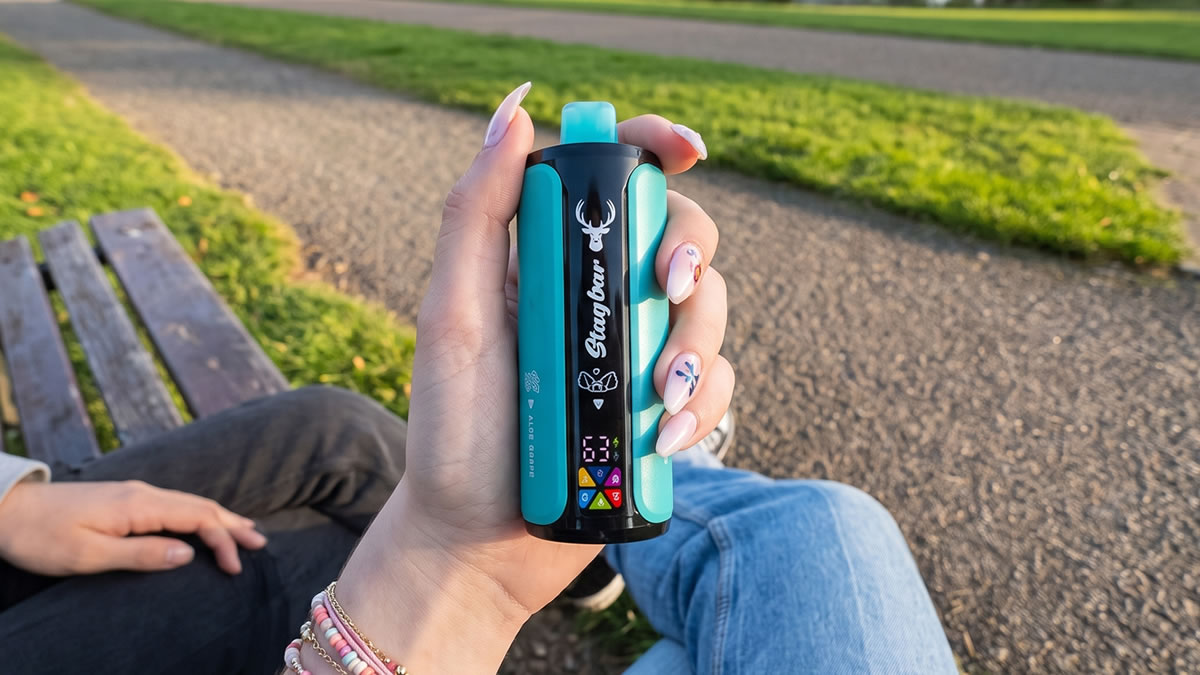
The Buenos Aires Legislature has passed Law 6964, requiring the city government to develop protocols to collect, recover, and recycle electronic cigarettes and heated tobacco devices. This policy addresses the environmental damage caused by millions of disposable vapes entering the standard municipal waste stream.
While previous debates in Argentina focused on the public health impacts of vaping—such as youth consumption and advertising bans—this regulation introduces a critical environmental perspective to the industry.
Why Vapes Are Classified as Hazardous Waste
An electronic cigarette is not merely disposable plastic. Inside each device, a complex mix of materials coexists, including a lithium battery, metallic heating coils, wiring, electronic circuits, sensors, aluminum, nicotine-containing liquids, and various polymers.
When these devices stop working, they are typically thrown into household trash or littered on streets. Law 6964 targets this issue by integrating vapes into a circular economy framework, requiring separate collection, traceability, and specialized treatment.
The Rise of Disposables and Waste Management Challenges
The growth of the disposable vape market has altered nicotine consumption but also increased electronic waste. Early e-cigarettes were rechargeable and durable, but modern disposable models are discarded once the liquid or battery runs out.
These compact devices are difficult to disassemble. Batteries are integrated into the plastic casing, cartridges contain toxic nicotine residue, and mixed metals are fused together. Traditional waste sorting systems cannot process these combined materials.
Fire Hazards in Standard Trash
When vapes are compacted inside standard garbage trucks, their lithium batteries can rupture. This physical damage can trigger thermal runaway, causing fires in collection trucks, transfer stations, and sorting centers.
Lithium is highly reactive and burns at extreme temperatures within seconds. Because waste management staff lack protocols to identify or safely handle these small devices, separating them at the source is vital. Under the new law, Buenos Aires will accept these devices at designated Puntos Verdes (Green Points) to process them through isolated, safer channels.
This regulatory shift in Buenos Aires establishes a precedent for the rest of Argentina, signaling increased environmental obligations for manufacturers, importers, and distributors in the vaping sector.

- Iowa Vape Law Restricts 99% of Products, Threatening Local Retailers - September 29, 2026
- High Tobacco Taxes Drive Australians to Illicit Market, Coalition Warns - September 29, 2026
- Trump Urged to Ban Chinese Vapes and Reform FDA Rules - September 27, 2026