
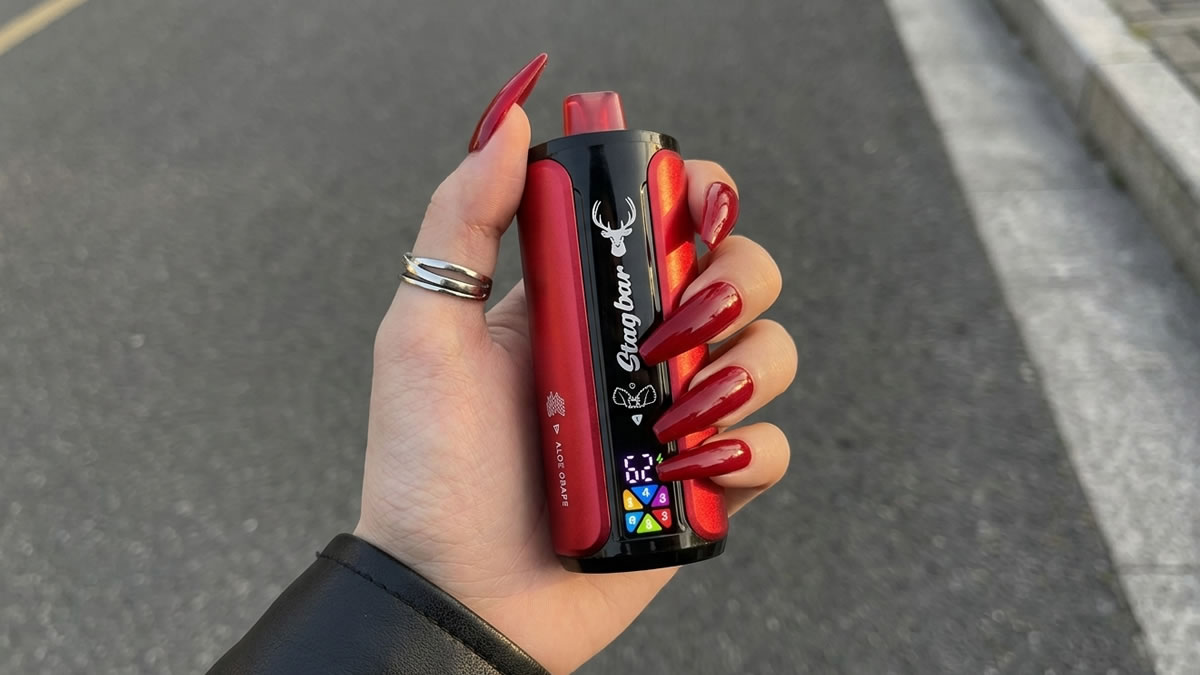
As public interest in smoking alternatives grows, many individuals are turning to nicotine-free vaping to replicate the physical rituals of smoking without the risk of chemical dependency. This shift is driven by a desire for sensory satisfaction, flavor exploration, and harm reduction, making informed choices about ingredients and hardware essential.
For those transitioning away from traditional tobacco or seeking a recreational hobby, navigating the market requires a clear understanding of how these devices work, what goes into the liquids, and how to maintain the equipment safely.
Analyzing the Core Ingredients of Nicotine-Free E-Liquids
Understanding what goes into nicotine-free e-liquid is the first step toward a safe experience. Unlike standard e-liquids, these products contain zero nicotine, eliminating the addictive chemical while utilizing the same base carrier liquids and flavorings.
At its core, nicotine-free vape juice consists of four primary components: Propylene Glycol (PG), Vegetable Glycerin (VG), food-grade flavorings, and water. Each ingredient serves a specific purpose in determining the throat sensation, flavor clarity, and vapor volume.
Propylene Glycol (PG)
Propylene Glycol is a synthetic organic compound that is clear, odorless, and thin in viscosity. It is widely used in everyday consumer products, including cosmetics, pharmaceuticals, and packaged foods. In e-liquids, PG acts as the primary flavor carrier. Because of its thin consistency, it vaporizes quickly and delivers a stronger throat sensation, which mimics the feeling of smoking traditional cigarettes. E-liquids with a higher PG ratio provide sharper flavor profiles but produce less visible vapor.
Vegetable Glycerin (VG)
Vegetable Glycerin is a natural chemical derived from plant oils, typically palm, soy, or coconut oil. It is a thick, sweet, and highly viscous liquid. In the vaping process, VG is responsible for generating the dense clouds of vapor. Because of its natural sweetness, it can slightly sweeten the overall flavor of the e-liquid. Users who prefer producing large vapor clouds or who have sensitivities to PG often choose e-liquids with a high VG concentration.
Flavorings and Water
The flavorings used in e-liquids are food-grade concentrates. These additives allow manufacturers to create a wide variety of tastes, from simple single-fruit profiles to complex dessert formulations. Water is occasionally added in small quantities to thin the mixture, helping the liquid flow smoothly into the heating element of the device.
| Ingredient | Viscosity | Primary Function | Key Characteristic |
|---|---|---|---|
| Propylene Glycol (PG) | Low (Thin) | Carries flavor compounds | Provides throat sensation |
| Vegetable Glycerin (VG) | High (Thick) | Produces vapor clouds | Adds natural sweetness |
| Flavorings | Variable | Defines the taste profile | Food-grade additives |
| Water | Very Low | Thins the liquid mixture | Ensures smooth wicking |
Selecting the Best Vaping Device for Beginners
Choosing the right hardware is essential for a satisfying experience. Vaping hardware ranges from simple, disposable-style refillable pods to advanced box mods with adjustable settings. Beginners should focus on simplicity, battery reliability, and ease of maintenance.
Pod Systems
Pod systems are compact, lightweight devices that utilize a plastic pod instead of a traditional glass tank. These pods hold the e-liquid and contain the heating coil. Pod systems are highly recommended for beginners because they are often draw-activated, meaning they fire automatically when the user inhales. They operate at lower wattages, making them highly efficient for daily use and easy to carry.
Vape Pens
Vape pens are cylindrical devices that are slightly larger than pod systems. They typically feature a single button to power the device on and off and activate the heating element. Vape pens offer a middle ground, providing longer battery life than small pod systems and slightly higher vapor production without the complexity of advanced settings.
Box Mods
Box mods are larger, box-shaped devices that feature external batteries, adjustable wattage screens, and customizable tanks. While they offer maximum control over vapor temperature and volume, they require a solid understanding of battery safety, coil resistance, and power settings. Beginners should generally avoid box mods until they are comfortable with basic vaping mechanics.
To start your journey with a reliable setup, you can explore options for a nicotine-free vape that fits your daily routine and aesthetic preferences.
Navigating the Flavor Landscape
One of the primary appeals of nicotine-free vaping is the diverse selection of flavors. Without the bitter taste of nicotine to mask, flavor profiles are often cleaner and more distinct.
Fruit and Mint Profiles
Fruit flavors are the most common entry point for beginners. Options like strawberry, watermelon, mango, and blue raspberry offer a sweet, straightforward taste. Menthol and mint flavors provide a cooling sensation in the throat, which is highly popular among former smokers of menthol cigarettes who want to replicate that specific physical sensation.
Dessert and Beverage Profiles
For users looking for richer options, dessert profiles offer flavors like vanilla custard, glazed donuts, and chocolate. These liquids use complex flavor formulations to mimic baked goods. Beverage-inspired liquids replicate the taste of coffee, cola, lemonade, or energy drinks, providing a unique sensory experience.
Crucial Safety Precautions and Device Maintenance
Although nicotine-free vaping removes the risks associated with nicotine addiction, proper safety and maintenance protocols are required to prevent hardware malfunctions and health irritations.
Battery Safety and Charging
Most vaping devices use lithium-ion batteries, which require careful handling. Users should only charge their devices using the cable provided by the manufacturer and avoid leaving devices charging unattended overnight. Batteries should never be exposed to extreme temperatures, such as direct sunlight in a car, as overheating can cause battery failure.
Coil Care and Cleaning
The heating element inside the vape, known as the coil, contains cotton wicking material. Over time, this cotton degrades and accumulates residue, leading to a burnt taste. Coils typically need to be replaced every one to two weeks, depending on usage. Regularly cleaning the tank and mouthpiece with warm water prevents the buildup of bacteria and mold, ensuring a clean vapor path.
Recognizing Physical Sensitivities
Some individuals may experience mild sensitivity to Propylene Glycol (PG), resulting in a dry throat, minor coughing, or skin irritation. If these symptoms occur, switching to an e-liquid with a higher VG ratio (such as 70% VG / 30% PG) often resolves the issue. Staying hydrated is also recommended, as vaping can draw moisture from the mouth and throat.
By selecting quality hardware, understanding the simple ingredients in the liquid, and maintaining the device regularly, beginners can safely enjoy the physical and sensory aspects of vaping without the risks of nicotine dependency.

- FDA Authorizes Marketing of JUUL2 E-Cigarettes and Menthol Pods - August 29, 2026
- How Do You Choose the Best Nicotine-Free Vape in 2026? - August 19, 2026
- How Can You Start Nicotine-Free Vaping Safely and Choose the Right Setup? - August 19, 2026