
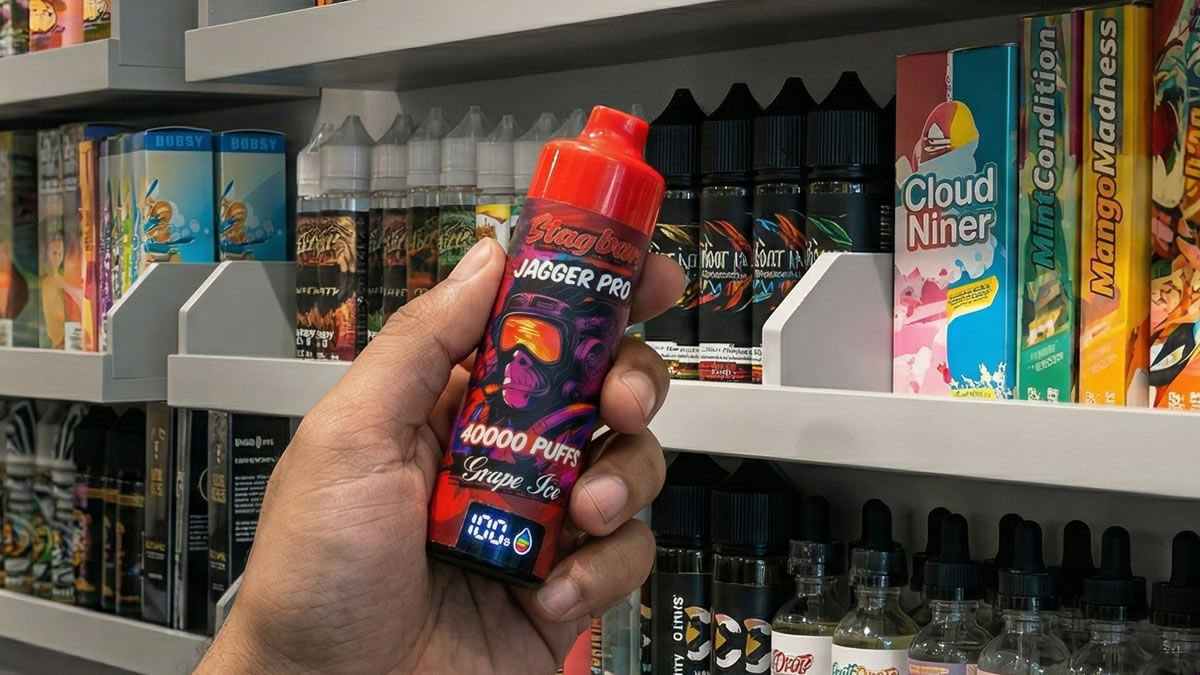
The East Java branch of the Indonesian Ulema Council (MUI Jatim) has issued Fatwa No. 1 of 2026, declaring vaping forbidden (haram) under specific conditions. This ruling, enacted on July 1, 2026, directly addresses the growing trend of modifying electronic cigarettes to distribute illicit drugs to youth.
Religious leaders drafted the fatwa after receiving evidence from the East Java National Narcotics Agency (BNN) and pulmonologist Dr. Agus Hidayat. Their findings revealed that liquid vape cartridges are easily laced with liquid ecstasy, synthetic cannabis, and new psychoactive substances (NPS).
Because these modified devices look identical to standard e-cigarettes, they are difficult to detect. Authorities warn that this covert method serves as an entry point for drug abuse among school-aged children and teenagers.
The Five Legal Rulings of Fatwa No. 1 of 2026
To address these health and security risks, the MUI Jatim Fatwa Commission established five specific legal determinations regarding electronic cigarettes:
- Vulnerable Groups: It is haram for children, teenagers, pregnant women, and individuals with pre-existing health vulnerabilities to consume vapes.
- Public Spaces: Vaping in shared public areas is haram due to the physical harm it inflicts on bystanders.
- Drug Delivery: Using, storing, hiding, or distributing narcotics, psychotropics, or illicit addictive substances via vape devices and e-liquids is strictly haram.
- Commercial Facilitation: Manufacturing, mixing, packaging, distributing, selling, and promoting drug-infused e-liquids is haram.
- Institutional Support: Providing funding, protection, cooperation, or turning a blind eye to vape-related drug abuse is haram.
The council emphasized that violating these terms damages human intellect, physical health, personal wealth, and public order. Offenders face religious sanctions as well as prosecution under state laws.
MUI Urges Stricter Government Controls
In addition to the religious ruling, MUI Jatim issued formal recommendations to the Ministry of Health, the Ministry of Trade, the Food and Drug Authority (BPOM), BNN, and the National Police.
The council demanded tighter monitoring of vape production and distribution, with a focus on online marketplaces and social media platforms where illegal sales often bypass age verification.
MUI Jatim also stated that if future evaluations show that drug-related vape abuse continues to rise despite these measures, the government must consider a total ban on the production, distribution, and sale of all electronic cigarettes in Indonesia.
The fatwa was signed by Fatwa Commission Chairman KH. Sholihin Hasan and MUI East Java General Chairman Prof. Dr. KH. Abd. Halim Soebahar. The council has called on educational institutions to enforce strict vape bans on school grounds to protect the younger generation.

- Pennsylvania Vape Directory Takes Effect Oct. 17: Rules and Fines - October 9, 2026
- UK Smoking Rates Fall Below 10% as Vaping Exceeds Cigarette Use - October 8, 2026
- Oregon Exceeds 2025 Tobacco Reduction Targets as Youth Smoking Plummets - October 8, 2026