
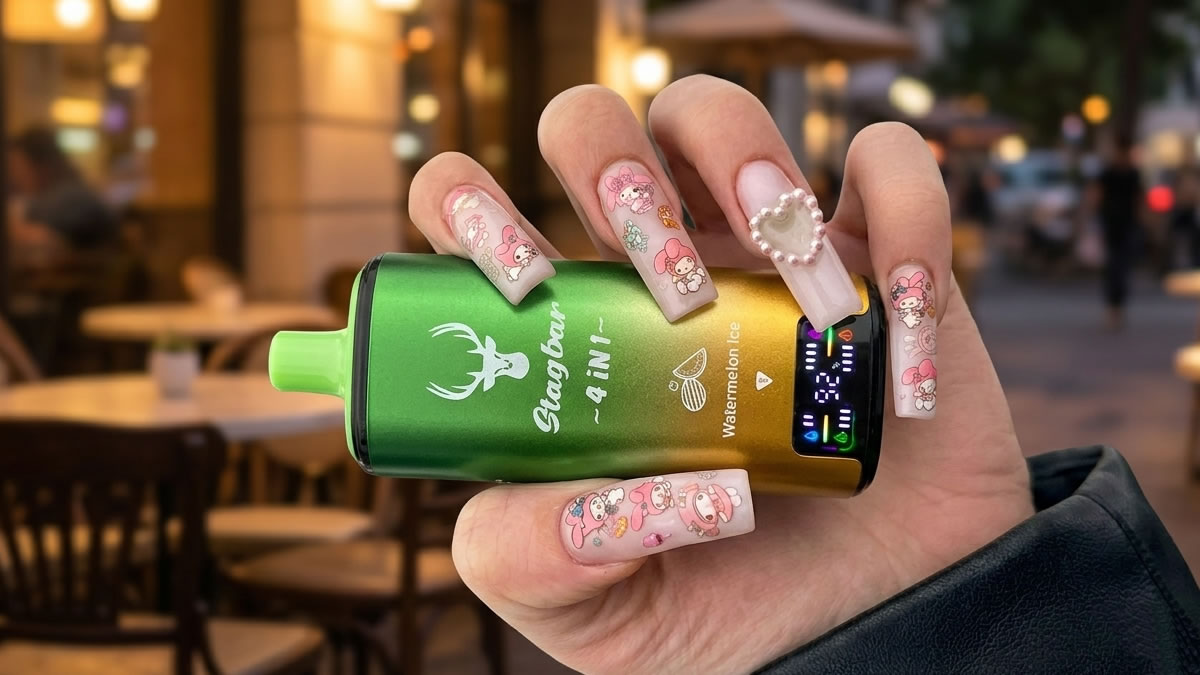
The Ministry of Health of Moldova has officially enacted sweeping new smoking restrictions effective June 24, 2026, aimed at protecting the public from secondhand smoke and aerosols. This legislative shift expands the anti-smoking ban to numerous outdoor public areas, residential balconies, and near public entrances.
These updated regulations represent a major step in Moldova’s public health policy. By targeting not only traditional tobacco but also modern alternative nicotine delivery systems, the government aims to curb rising nicotine addiction rates, particularly among youths.
What Has Changed for Smokers and Vapers?
The core philosophy of the new law is the standardization of all smoking and vaping products. Under the updated legal framework, the common defense of “vaping is not smoking” is no longer legally valid. If an area is designated smoke-free, the use of any electronic nicotine delivery system is strictly prohibited.
The restrictions apply globally to individuals, employers, and administrators of public and commercial spaces. While individual smokers are held accountable for their personal violations, business owners and property managers bear the legal responsibility of marking smoke-free zones and actively enforcing compliance on their premises.
Newly Restricted Public and Residential Spaces
The list of prohibited zones has been significantly expanded to protect citizens in areas where people naturally gather. The law specifically focuses on protecting children, commuters, and residents in multi-family housing complexes from involuntary exposure to harmful emissions.
Outdoor recreational areas, transit points, and family-oriented venues are now entirely smoke-free. Below is a detailed breakdown of the newly restricted zones and the prohibited products within them:
| Restricted Location | Prohibited Products & Devices |
|---|---|
| Sports fields and outdoor stadiums | Cigarettes, vapes, e-cigarettes, heated tobacco |
| Public beaches, water parks, and swimming pools | All smoking, vaping, and aerosol-producing devices |
| Public transport stops and boarding zones | Traditional tobacco and all electronic nicotine systems |
| Underground pedestrian crossings | Any form of smoking or vaping |
| Zoos and family entertainment parks | All tobacco, vape, and heated nicotine products |
Public transport stops are expected to see the most immediate impact. Because commuters stand in close proximity while waiting for buses and trams, the ban aims to eliminate the immediate health hazard of secondhand smoke for vulnerable groups, including children and the elderly.
Stricter Rules for Apartment Buildings and Balconies
The legislation also penetrates private residential spaces. Smoking is entirely banned in the common indoor areas of residential buildings, including stairwells, elevators, corridors, and shared utility rooms.
Furthermore, smoking on private apartment balconies or dormitories is now illegal if the smoke or vapor penetrates neighboring rooms or shared residential areas. If a neighbor objects to drifting smoke, the smoker can be reported and fined, making private balconies a high-risk area for violators.
The 10-Meter Buffer Zone Rule
To prevent smoke from migrating indoors, Moldova has established a mandatory 10-meter physical buffer zone around public buildings. This rule ensures that entrances, exits, and air intakes remain free of tobacco smoke and chemical aerosols.
The 10-meter distance is measured in a straight line from any entrance, open window, or ventilation intake. Physical barriers like walls, fences, or corners do not alter this measurement; if a smoker is within 10 meters of a window or door, they are in violation of the law.
To avoid penalties, smokers must actively seek out designated smoking areas that sit well outside this 10-meter perimeter. This rule applies strictly to hospitals, schools, government offices, shopping malls, and private workplaces.
Penalties and Fines for Violations
The Moldovan government has introduced a tiered penalty system to ensure compliance. While individuals face moderate fines, businesses and corporate officers face severe financial penalties for failing to enforce the law or display proper signage.
| Type of Violator / Offence | Penalty Range (MDL) |
|---|---|
| Individual smokers (caught in restricted areas) | 1,750 MDL – 2,250 MDL (or community service) |
| Company officials / Managers (permitting violations) | Up to 12,000 MDL |
| Legal entities / Businesses (permitting violations) | Up to 15,000 MDL |
| Failure to display warning signs (Officials) | Up to 9,000 MDL |
| Failure to display warning signs (Companies) | Up to 12,000 MDL |
In addition to heavy fines, businesses that repeatedly ignore these regulations risk having their commercial licenses suspended. Consequently, cafes, restaurants, and offices must carefully audit their entryways and outdoor seating arrangements.
The Ban on Vapes and Oral Nicotine Pouches
The inclusion of modern alternative nicotine products is a cornerstone of this legislative update. Public health officials emphasize that vapor from e-cigarettes is not harmless water vapor, but an aerosol containing nicotine, heavy metals, and ultra-fine chemical particles.
Additionally, Moldova has enacted a total ban on the sale of oral nicotine pouches, including those utilizing synthetic nicotine. These smokeless products have been heavily marketed to teenagers due to their discreet nature. By banning them entirely, the state hopes to prevent a new generation from developing severe nicotine dependencies.
Compliance Checklist for Business Owners and Administrators
To avoid costly fines and potential operational shutdowns, business owners and property administrators must take immediate proactive steps to align with the June 24, 2026 regulations:
- Install Clear Signage: Post highly visible “No Smoking” and “No Vaping” signs at all entrances, common areas, and transit points. Signs must explicitly depict both traditional cigarettes and electronic vaping devices.
- Remove Smoking Accessories: Remove all outdoor ashtrays located within the 10-meter restricted radius of doors, windows, and ventilation shafts.
- Educate Staff Members: Train employees to recognize the new boundaries and empower them to politely ask patrons to stop smoking or move outside the 10-meter zone.
- Establish Designated Zones: If space permits, establish clearly marked, compliant outdoor smoking areas that sit entirely outside the restricted zones.
By taking these steps early, Moldovan businesses can protect their patrons, avoid administrative penalties, and contribute to a healthier, smoke-free public environment.

- Philippine Congress Urged to Raise Vape Taxes to Maximum - August 24, 2026
- Austria’s Parliament Approves Ban on Disposable Vapes Starting End of Year - July 15, 2026
- Germany Mandates Free Retail Take-Back for Disposable Vapes - July 10, 2026