
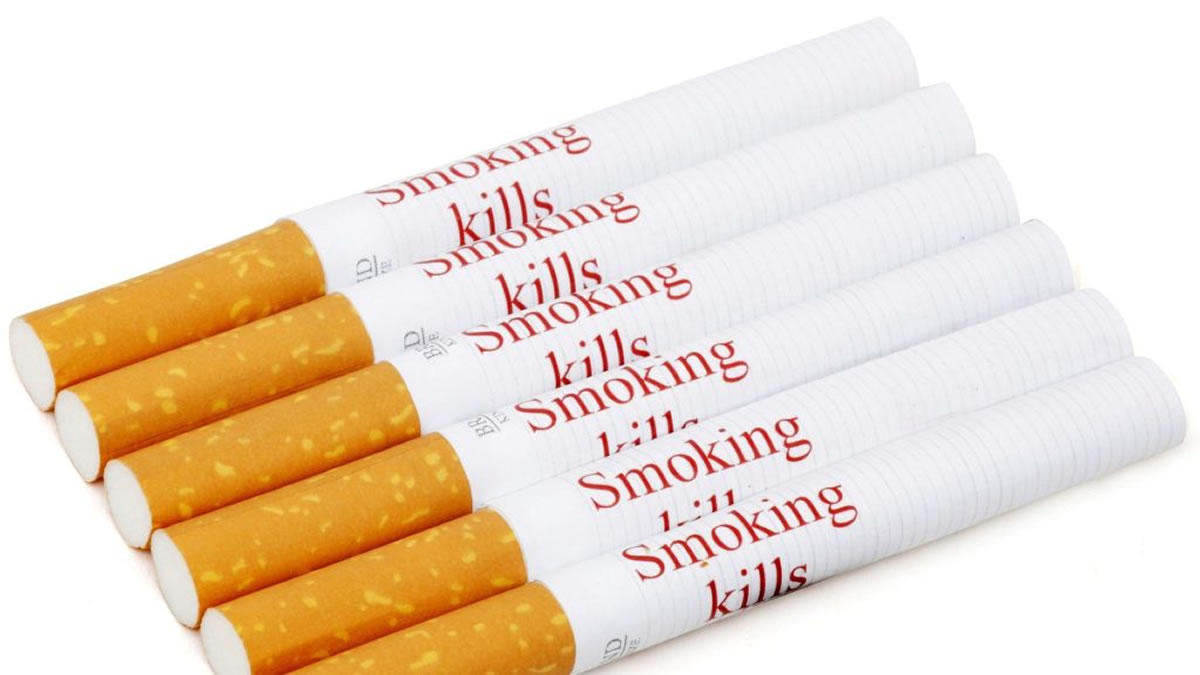
South Africa’s Portfolio Committee on Health has officially cleared a major procedural hurdle by declaring the Tobacco Products and Electronic Delivery Systems Control Bill “desirable.” This critical vote, following years of legislative delays and extensive public consultations, paves the way for parliament to debate one of the country’s most comprehensive public health overhauls in recent history.
If enacted, the bill will radically transform the retail, manufacturing, and marketing landscapes for both traditional tobacco products and the rapidly growing electronic nicotine delivery systems (ENDS) market.
Key Provisions of the Proposed Legislation
The draft bill introduces strict measures designed to align South Africa with global tobacco control standards. The core regulatory shifts include:
| Regulatory Area | Proposed Changes |
|---|---|
| Public Spaces | A comprehensive ban on indoor smoking and vaping in public areas, alongside restrictions in certain private venues where children or non-smokers are present. |
| Packaging & Retail | Mandatory plain packaging featuring large graphic health warnings, and a complete ban on point-of-sale retail product displays. |
| Marketing & Sales | A blanket prohibition on advertising, sponsorships, and promotion; tighter restrictions on vending-machine sales. |
| Vaping & ENDS | Regulating e-cigarettes and alternative nicotine delivery systems under the exact same legal framework as combustible cigarettes. |
The Debate Over Product Risk
The committee’s support for the bill is conditional on addressing key concerns raised during an intensive public consultation process. Concluding at the end of 2025, the hearings attracted over 7,900 attendees and 40,000 written submissions, making it one of South Africa’s most heavily debated health bills.
A primary point of contention is whether combustible tobacco and non-combustible vaping products should be regulated identically. Public health advocates support the uniform approach to prevent youth nicotine addiction, while industry groups argue for a harm-reduction framework.
The committee acknowledged this scientific nuance, stating that “not all tobacco and nicotine products carry the same risk.” Furthermore, the Department of Health, in its March 2026 responses to public comments, accepted the principle of differentiating product risk, signaling that the bill may undergo significant amendments during the next phase.
Next Steps to Enactment
With the desirability motion passed, the bill now enters clause-by-clause deliberations within the Portfolio Committee on Health. Members of Parliament will debate specific amendments, particularly regarding risk-differentiated regulations and transitional arrangements for businesses.
Once the committee finalizes its report, the bill will be sent to the National Assembly for debate. To become law, the bill must secure parliamentary approval and receive final assent from the President—a process expected to take several months.

- California Bans Disposable Vapes with Fines Up to $2,000 - September 30, 2026
- FDA Authorizes Marketing of JUUL2 E-Cigarettes and Menthol Pods - August 29, 2026
- How Do You Choose the Best Nicotine-Free Vape in 2026? - August 19, 2026