
Pennsylvania vape retailers are racing to adapt to Act 57 of 2025, a state law that alters how nicotine-containing electronic cigarettes are sold. The legislation requires every manufacturer of these products to secure certification from the Pennsylvania Attorney General to remain on store shelves. The state now maintains a strict directory of approved brands, product types, and flavors, making any unlisted products illegal to sell.
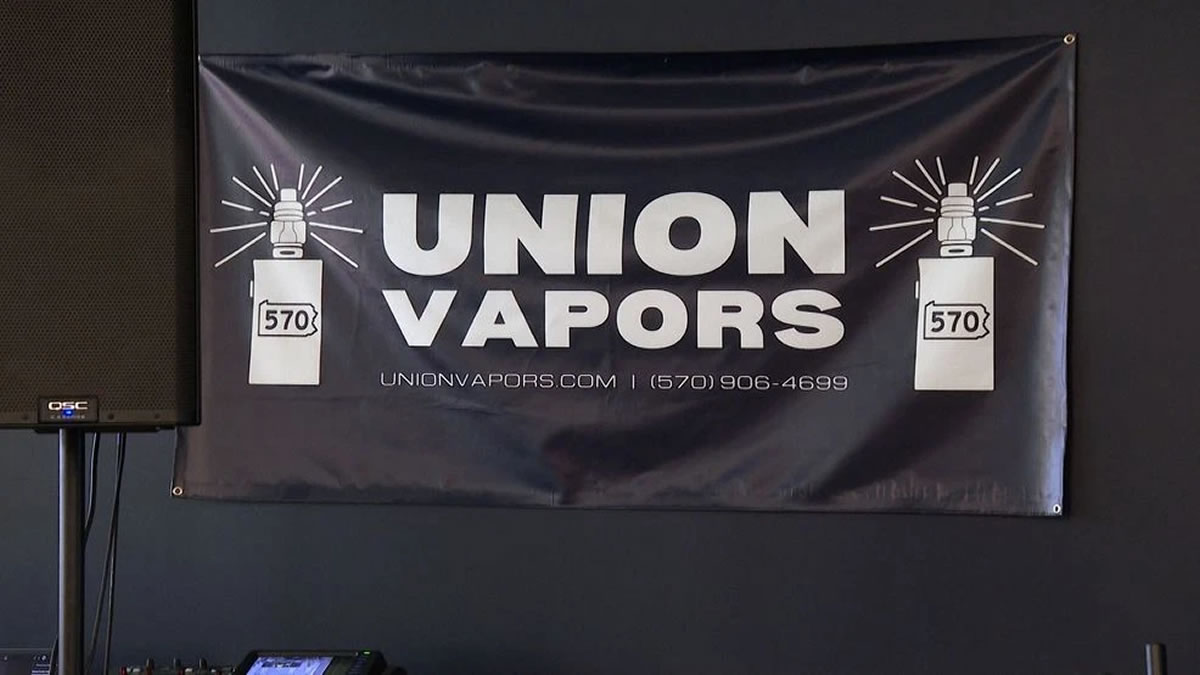
For local businesses like Union Vapors in Dickson City, the regulatory shift has immediate consequences. The shop expects to lose up to 97% of its current inventory, reducing its selection from over 450 flavors and strengths across 13 shelves to just three or four shelves of permitted products.
The Challenge of Sourcing Approved Products
Finding compliant replacements is proving difficult for ethical business owners. Union Vapors co-owner Gage Lewis noted that some companies on the state’s approved list are backed by sources that do not align with the shop’s standards. Retailers must carefully vet the remaining legal options to ensure they are safe, transparent about ingredients, and helpful for harm reduction.
The transition period has placed immense pressure on small business owners. Retailers received the state’s approved product directory only weeks before the compliance deadline, leaving a narrow window to clear non-compliant stock, secure new inventory, and cover fixed overhead costs like storefront leases.
Pivoting to a New Business Model
Rather than closing down, some retailers are shifting their focus away from vapor products to keep their doors open. Union Vapors plans to downsize its vape inventory and accelerate a transition into an adult-only cafe concept.
Originally established three years ago as a “third space” for adults aged 21 and older, the shop has hosted nearly 250 independent bands, fostering a local community of art and music. Expanding the cafe side of the business allows the owners to preserve this community hub while complying with the state’s strict retail limitations.
Concerns Over Public Health and Black Markets
Vape shop owners express worry about how these restrictions will affect adult consumers who use e-cigarettes to quit combustible tobacco. Many customers have expressed anxiety over losing access to their preferred products, raising fears that some may return to smoking traditional cigarettes.
Additionally, ethical retailers worry about the rise of illicit trade. While law-abiding shops must purge their shelves, unregulated competitors and black-market sellers may continue to distribute unauthorized, untaxed products without consequence. This uneven playing field makes it difficult for legitimate small businesses to compete, forcing some to shut down or entirely abandon the vape industry.
As the October deadline approaches, business owners urge consumers to pay closer attention to legislative decisions in Harrisburg and understand how state-level regulations directly affect local livelihoods and small business survival.

- Iowa Vape Law Restricts 99% of Products, Threatening Local Retailers - September 29, 2026
- High Tobacco Taxes Drive Australians to Illicit Market, Coalition Warns - September 29, 2026
- Trump Urged to Ban Chinese Vapes and Reform FDA Rules - September 27, 2026